
Securing a reliable water supply for your home or commercial space is crucial. You need a high-quality water tank that gives you safe storage, contamination prevention, and durability.
However, choosing a water tank for storage is not that simple. You have to take into account several factors, like capacity, material, external factors, and more. This blog lists some key things to consider before making this important purchase. So, keep on reading till the end to learn more.
The following are some key takeaways and insights from this blog.
- Water storage tanks are available in a wide range of materials, shapes, sizes, and capacities.
- Choosing the right water storage tank gives you greater durability, weather resistance, and cost efficiency.
- A well-manufactured water storage tank prevents the growth of harmful bacteria, which increases the safety and hygiene for the residents.
- When buying a water storage tank, you need to consider things like UV-resistance, installation location, budget, warranties, water tank maintenance, and external weather.
Here is what you will find in this blog.
- 7 Key Things to Consider Before Buying a Perfect Water Storage Tank
- Storage Capacity
- Tank Material
- Durability
- Installation Location
- Budget
- Warranty
- Maintenance
7 Key Things to Consider Before Buying a Perfect Water Storage Tank
Before purchasing a water storage tank for residential or commercial use, you need to proceed with caution. Choosing a tank without due care can lead to water disruption, frequent repairs, and poor hygiene.
Here are some important things you need to keep in mind before making this key decision.
1. Storage Capacity
Probably the most important factor to consider is the storage capacity of water tanks. For home use, you need a tank with a capacity of about 5,000 liters/1320 gallons. For industrial use, water storage tanks need to have capacities of thousands of liters.
You can determine the capacity of the tank by considering your everyday usage and storage requirements. You can also do that by estimating your consumption and dividing that amount by 300 gallons a day.
This way, you can figure out the amount of water that the tank can store for a specific number of days.
2. Tank Material
Water tanks come in a wide range of materials. Plastic tanks are lightweight and corrosion-resistant. However, these lack durability. Another option is stainless steel tanks that are more durable and come in bigger sizes.
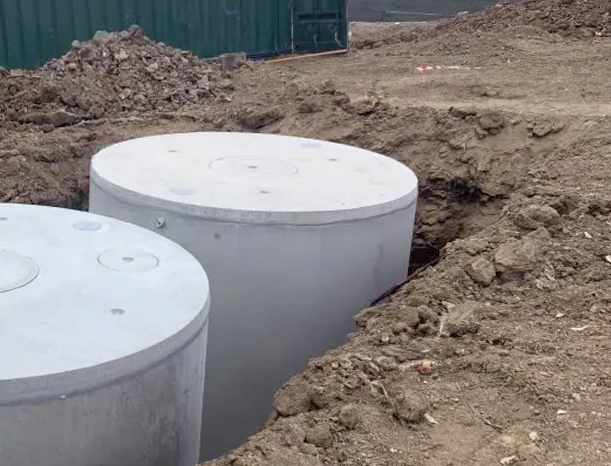
One popular and more practical option is the precast concrete water storage tanks that are known for their greater durability and effectiveness in both underground and above-ground installation.
You can also go with fiberglass, pillow tanks, polyethene tanks, PVC tanks, and corrugated steel tanks based on your needs.
3. Location of Installation
Based on the location of the storage tank installation, you can go with the following tanks.
Above-Ground Water Tanks
These water tanks rest above ground level, which makes their installation, repairs, and maintenance much easier. These tanks, however, are exposed to external factors like sunlight, rain, and impacts, which means you have to choose their material carefully.
Collapsible Water Tanks
These are temporary water storage tanks that you can collapse and fold when empty. These tanks are more portable, and they give you versatility and space-saving.
Below-Ground Water Tanks
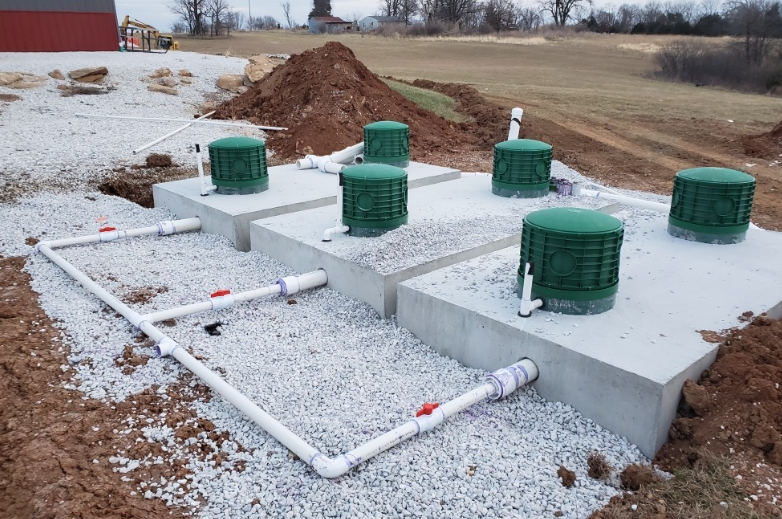
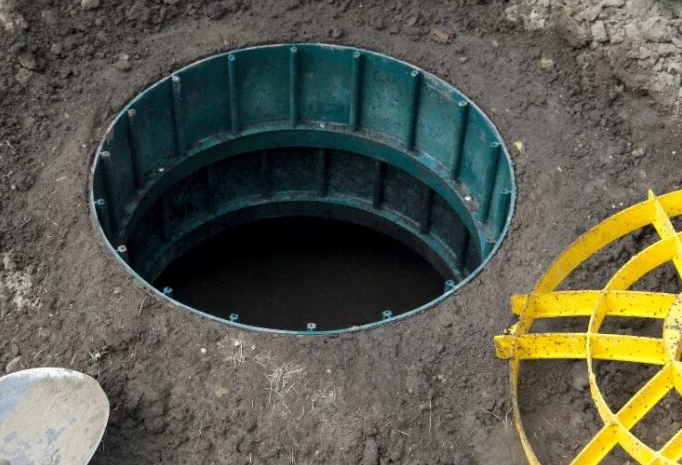
These water tanks are installed below the ground level. Since these tanks rest under the ground, they are protected from sunlight and bad weather. These tanks are ideal for use in cold locations, a they can be installed in the permafrost layers, which keeps the water temperature at a normal level.
4. Durability
You need a water tank that gives you exceptional durability. If the location of the tank makes it exposed to external elements like harsh UV rays, temperature fluctuations, and impacts, you need precast concrete products that come with anti-UV coatings and multi-layered construction.
5. Budget
The price of the water storage tanks depends on their material, size, installation, and overall quality. You can choose water storage tanks with slightly higher upfront costs to save yourself from frequent repairs and replacements.
Just make sure to choose a reliable brand with a good reputation and positive customer reviews to get the best value for your money.
6. Warranty
Another key thing to consider is the warranty you get with the water storage tank. Pick a product that comes with a solid long-term warranty. It shows that the manufacturer is confident in his product.
You should go with a manufacturer that gives you a warranty of 2 to 5 years. The warranty should cover damages caused by poor workmanship, materials, pests, etc.
7. Maintenance
And finally, you need to consider the tank’s maintenance needs before making this decision. You need to choose a tank that doesn’t support the growth of bacteria or algae.
Make sure to consider the size of the tank, frequency of cleaning, and the labor costs for maintenance before choosing a product. This can help you find a water storage tank that comes with fewer maintenance costs.
Visit us at Naran Precast Concrete Co. today to order our custom precast concrete water tanks for storing and draining water and a wide range of other liquids at very affordable rates.
FAQs
How to select the best water tank?
To choose a perfect water tank, you need to consider the tank’s capacity, size, and needs.
How can you determine the quality of the water tank?
A high-quality water tank is made from food-grade material and possesses greater temperature, impact, weather, and chemical resistance.
What color water tanks are best for home usage?
Water storage tanks in white color are the best for home usage since they absorb the least amount of the sun’s energy.
What are the three main types of water storage tanks?
There are three main types of water storage tanks, i.e., underground tanks, above-ground water tanks, and overhead water storage tanks.
What makes precast concrete water tanks better?
Precast concrete water tanks are easier to install, durable, weather-resistant, and cost-effective, which makes them a better option than plastic or metal storage tanks.