
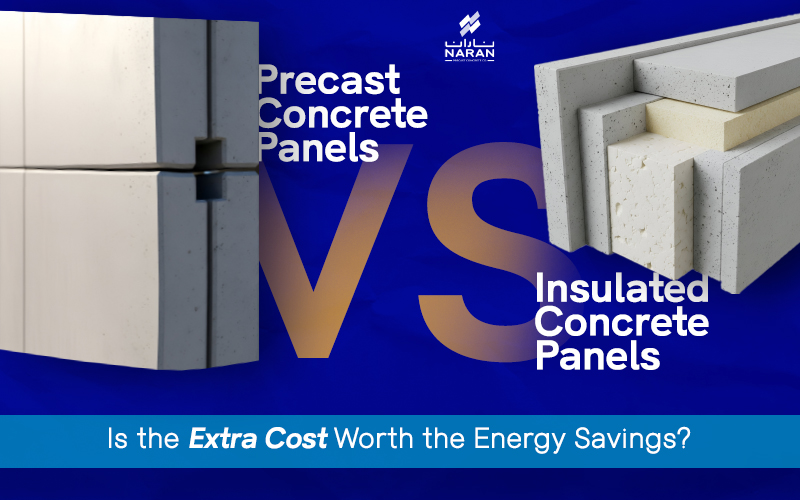
A rapid increase in energy prices along with the global implementation of strict building codes forces many developers to look for sustainable building solutions. This is where Precast concrete panels come into the picture. The durability as well as speed of construction that these panels provide make them a perfect candidate for modern construction projects.
There are two main types of precast concrete panels in terms of their thermal efficiency and long-term operating costs. These are simple precast concrete panels and more expensive insulated concrete panels.
This blog looks into both kinds of concrete panels closely to help you understand what makes the extra cost of insulated panels worth the energy savings. So, keep on reading till the end.
Key Takeaways
- Simple precast concrete panels and insulated precast concrete or sandwich panels are two main options where each differs in terms of costs and overall performance.
- Precast concrete panels are more affordable upfront but they provide low thermal insulation.
- Insulated precast concrete panels come with an insulation core that delivers significantly higher thermal performance with R-values of just 20–30.
- The cost is 15–30% higher for insulated panels. However faster installation and reduced labor requirements offset these costs.
- Insulated panels give you about 20–40% lower energy costs as they reduce HVAC usage and peak energy demand.
- Insulated panels improve occupant comfort in extreme weather conditions.
- Insulated panels also offer superior sound insulation and moisture control.
- These eco-friendly panels promote lower carbon emissions and energy consumption.
Precast Concrete Panels vs Insulated: A Quick Comparison
| Precast Concrete Panels | Insulated Precast Concrete Panels |
| Factories manufacture these panels with steel-reinforced concrete off-site. | These panels come with an insulation core between two structural concrete facings. |
| These panels possess a high load-bearing capacity. | The load-bearing capacity of these panels is moderate. |
| These panels provide low thermal insulation. | The Foam insulation (EPS, PUR, PIR, mineral wool) + metal, OSB, or composite skins in these panels enhance the thermal insulation. |
| These panels give you moderate energy efficiency. | These panels provide exceptional thermal performance. |
| These can last 50-100 years. | These come with a shorter lifespan of 50-75 years. |
| These come at a lower initial cost. | These panels command a higher initial cost. |
| Commercial buildings and parking spaces along with building facades use these panels. | Residential buildings, warehouses, and cold storage spaces use insulated panels. |
Here is what you will find in this blog.
- What are Simple Precast Concrete Panels?
- What are Insulated Concrete Panels?
- Precast Concrete Panels vs Insulated: Cost Comparison
- Upfront Cost
- Installation Efficiency
- Thermal Performance
- Operational Energy Cost Savings
- Effectiveness in Extreme Climates
- Additional Benefits
- Are the Extra Costs of Insulated Precast Concrete Panels Worth the Energy Savings?
What are Simple Precast Concrete Panels?
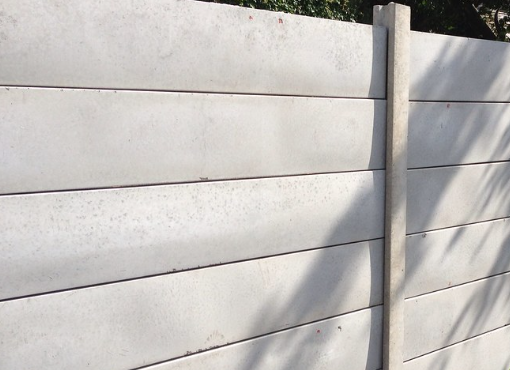
Precast concrete panels consist of a single solid reinforced concrete section which manufacturers prepare off-site. These panels lack insulation and they serve both as structural and architectural elements.
The benefits of precast walls and panels include high thermal resistance and durability. These panels are also very affordable due to simplistic manufacturing and long service life.
The low thermal resistance of these panels reduces their effectiveness in very hot or cold areas where you need to maintain a stable temperature for prolonged periods.
What are Insulated Concrete Panels?
Insulated concrete panels or precast sandwich panels consist of an insulation layer fixed between two reinforced concrete layers. A basic insulated panel comes with an external concrete wythe with a rigid EPS, XPS, or polyisocyanurate insulation layer. It also has an internal concrete wythe along with composite connectors that tie this whole system together.
These panels eliminate thermal bridging with their high R-value, which reduces indoor energy costs. The insulation layer also protects the panels from UV degradation and pests, which leads to a high value of the property for years to come.
Precast Concrete Panels vs Insulated: Cost Comparison
The following cost comparison between precast concrete and insulated panels shows clearly what makes insulated panels a better long-term choice.
1. Upfront Cost
Precast concrete panels seem more economical at first. The material costs are low and the manufacturing process is simpler for these panels.
The complex fabrication, along with the high material costs, makes insulated panels expensive. The upfront costs of insulated panels are about 15% to 30% more than simple panels.
But the long-term energy savings and high ROI make insulated panels a better choice despite their high upfront costs.
2. Installation Efficiency
Insulated panels have higher material costs. But factors like quick installation and reduced weather delays offset these costs. These precast panels come with built-in insulation which means you do not need separate crews for insulation during building construction.
The time you save with quick installation translates into significant financial gains in projects where early occupation is paramount.
3. Thermal Performance
The insulated precast concrete panels possess a high R-value. R-value measures the extent of thermal resistance of a body. It shows how much a material resists the flow of heat through it.
Simple precast panels have a lower R-value, which means they offer very little resistance to heat flow. The R value of insulated panels is about 20 to 30 which is very high.
This modification leads to minimal heat loss in the winter. It also promotes less heat gain during summer. This results in less frequent operation of HVAC systems which reduces energy costs to a great extent.
4. Operational Energy Cost Savings
Regular precast panels give you an easy flow of heat which raises the indoor temperature quickly. To stabilize this temperature, your HVAC system works extra hard which leads to more energy costs.
Insulation panels minimize the heat transfer through the walls of the building. This reduces the energy consumption of your air conditioning units. With insulated panels, you can get better temperature stability even with smaller HVAC units. There is also a lower peak energy demand with these panels, which further reduces operational costs.
Precast concrete panels with proper insulation can reduce the energy costs by 20% to 40% which makes their extra upfront costs worth it.
5. Effectiveness in Extreme Climates
Insulated panels are ideal for very hot and very cold regions. In cold areas these panels reduce heat loss and enhance occupant comfort. They also lower condensation risks saving you from building repair costs.
In hot climates, these panels reduce heat gain. This reduces the pressure on your HVAC systems, which leads to more energy savings.
6. Additional Benefits
The extra insulation layer in insulated panels enhances sound attenuation as well. This makes these panels a great choice for educational centers and healthcare facilities. Industrial buildings near residential zones also use these panels to minimize noise.
Another notable benefit of these panels is that they give you much better moisture control. The insulation layers keep the interior concrete surfaces warm, which reduces mold.
These panels also demonstrate better overall environmental performance. With these panels, both carbon emissions and the energy demand over the building’s life reduce significantly which makes these a sustainable choice.
So, Are the Extra Costs of Insulated Precast Concrete Panels Worth the Energy Savings?
It is true that simple precast concrete panels come with minimal upfront costs. However, in the long run, it is much better to invest in insulated precast concrete panels. The lower utility bills year after year and the resilience against future energy price increases that these panels offer lead to a much higher ROI.
And not just that, these low-maintenance panels also protect your property from moisture and its harmful effects. This increases the property value even further.
The much lower overall lifecycle costs thus make insulated panels a great investment for both residential and commercial projects.
Visit us at Naran Precast Concrete Co. today to explore our wide range of precast building solutions that save you both time and energy for all domestic and commercial projects.
FAQs
Are precast concrete panels cheaper as compared to insulated panels?
Precast concrete panels cost less due to the simple manufacturing process along with the low material costs that go into making them.
What makes precast concrete panels worth the costs?
Precast concrete panels give you affordability and quicker construction turnaround times. These panels also enhance the construction site safety, and they give much better thermal and impact resistance.
Why are insulated panels superior to simple precast concrete panels?
These panels offer quick installation along with superior thermal insulation. These panels cut your energy costs as they ensure your HVAC system works at the minimum settings even in extreme weather conditions.
Do you get fire resistance with insulated concrete panels?
The precast concrete panels with insulation have a high R value. This makes them resistant to fire.
Is precast concrete good for the environment?
Precast concrete is a sustainable building solution as you can recycle or repurpose it with ease.