
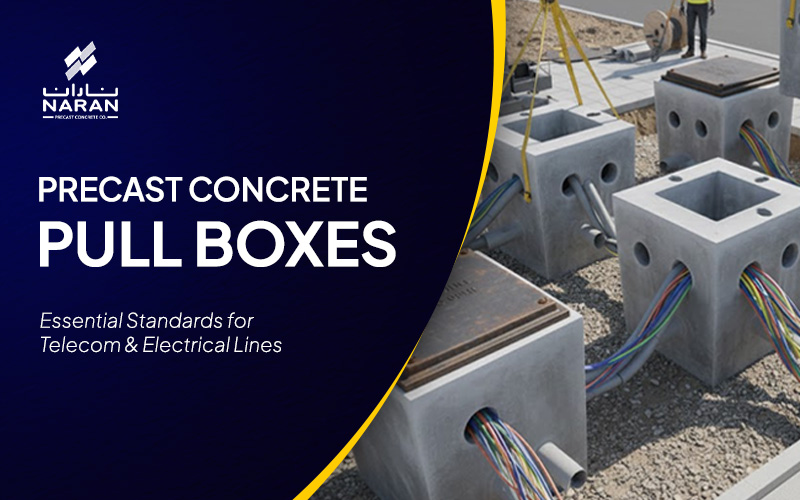
The unprecedented transformations in the infrastructural landscape of the 21st century demand a foolproof system that ensures both protection and easy expert access to electrical or telecom connections.
Modern building construction projects require a reliable way to organize or protect underground utility systems with solutions that offer long-term durability. This is where precast concrete pull boxes come into the picture.
These sturdy underground enclosures allow you to protect cable splices, terminations, and transitions while also giving the technicians safe access to underground utility systems.
This blog looks into precast concrete pull boxes in detail. It highlights their benefits, applications, and some essential standards that govern the design, material, and overall quality. So, keep on reading till the end.
- What are Precast Concrete Pull Boxes?
- Key Features of Precast Concrete Pull Boxes
- Key Standards That Precast Concrete Pull Boxes Must Meet
- Advantages of Precast Concrete Pull Boxes
- Applications of Precast Concrete Pull Boxes
What are Precast Concrete Pull Boxes?
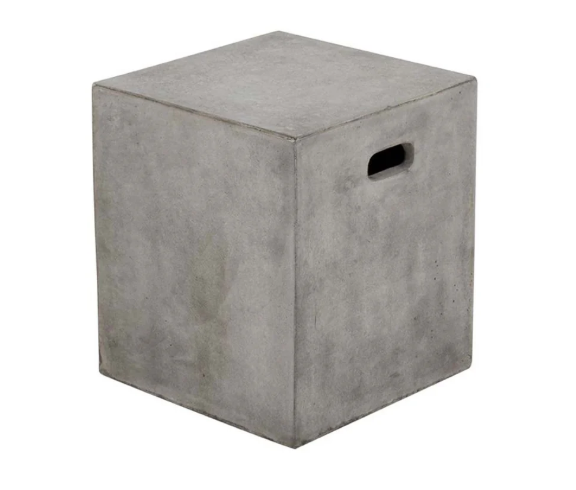
Precast concrete pull boxes refer to robust underground enclosures that we install along cable runs. These are factory-cast underground units with sufficient internal space to house cable runs and critical hardware.
The precast construction of these pull boxes offers structural uniformity, which makes them a durable option.
These precast concrete products allow you to pull cables through long conduit runs. They also facilitate safe access to splices and junctions. The sealed design of these pull boxes protects electrical or telecom cables against mechanical or environmental damage.
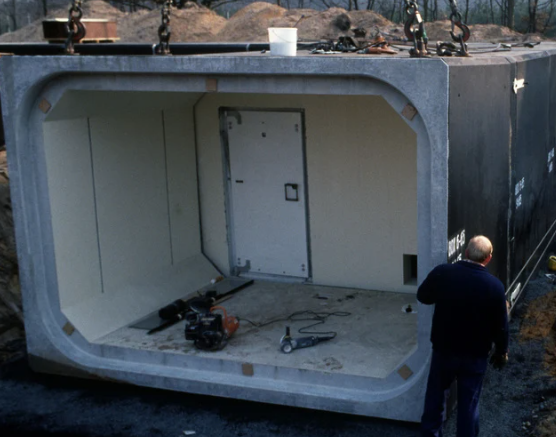
A precast concrete pull box allows technicians to perform inspections and maintenance without risking their safety.
You can find pull boxes in a variety of sizes. They come in small hand-accessible chambers for fiber optics as well as in the shape of larger vaults that can accommodate heavy electrical splices or equipment.
Key Features of Precast Concrete Pull Boxes
The following are some notable features of precast concrete pull boxes that set them apart.
- These pull boxes feature reinforced, high-compressive-strength concrete, which allows them to do well against soil pressure, heavy traffic loads, and environmental stressors for decades.
- These pull boxes have consistent dimensions due to uniform curing in carefully controlled factory settings.
- You can get these boxes both in standard and custom-made dimensions to meet your specific conduit layout, cable volume, and bend radius needs.
- These pull boxes comply with ANSI, AASHTO, or DOT standards, which ensures maximum safety for the public as well as the electrical or telecom systems.
- Precast concrete pull boxes can resist corrosion and UV exposure. They also do well against chemicals or moisture, which makes them useful in demanding conditions.
Key Standards That Precast Concrete Pull Boxes Must Meet
This section highlights some key standards that every precast concrete pull box must meet to ensure longevity and high performance of the electrical or telecommunication systems.
1. Material Quality
Every precast concrete pull box has to meet specific compressive strength standards. Products that meet the standards set forth by ASTM (American Society for Testing and Materials) such as ASTM C150, ASTM C33, and ASTM C94 do exceptionally well in modern construction.
2. Structural Load Requirements
Typically a precast concretes pull box that shows compliance with AASHTO guidelines or your local municipal or DOT (Department of Transportation) roadway specifications are the safest option.
3. Internal Dimensions and Clearances
Every precast concrete pull box must meet specific internal sizing standards as well. This ensures worker safety and greater cable protection.
Make sure the pull box meets standards for minimum clear height and width for standing access. These should also adhere to the international standards for minimum spacing between conduits as well as bend radius allowances.
4. Lid and Cover Specifications
The lid of the pull box also needs to meet all the safety, load-capacity, and accessibility standards. The ANSI/SCTE 77 is a common standard that puts forth specifications for removable access covers.
Advantages of Precast Concrete Pull Boxes
The following are some key benefits of precast concrete pull boxes that make them more suitable than traditional alternatives.
- High Load-bearing Capacity
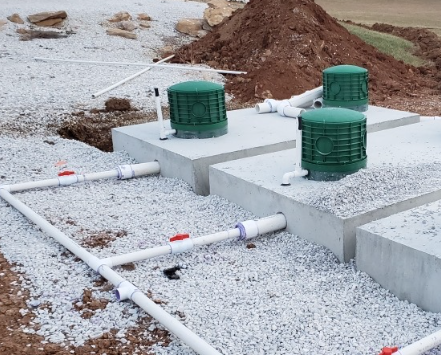
Concrete pull boxes are designed to withstand heavy loads. They can secure telecom or electrical networks in industrial zones, parking lots, or busy roadways due to their impressive strength-to-weight ratios.
- Greater Safety
Precast concrete pull boxes feature sturdy materials. These have greater load-bearing capacities. Both the box and the lid meet high material quality standards. The high structural strength of pull boxes makes sure the technicians are able to reach inside to make repairs or adjustments without any safety concerns.
- Quicker Installation
Precast concrete pull boxes reach the site in a ready-to-use condition. This prevents site disruptions. You can install these boxes in a matter of minutes and start making connections, which reduces project timelines.
- Cost-Effectiveness
Precast concrete pull boxes need little to no maintenance. The exceptional durability gives these elements a long service life of more than 50 years. This reduces overall lifecycle costs to a great extent.
- Future-Ready Development
The size or design of precast concrete future-proofs your electrical or telecom systems. You can easily add newer cables or modify existing systems without any need for excavation or a lot of manual labor.
Applications of Precast Concrete Pull Boxes
The following are some notable uses of precast concrete pull boxes across different industries and infrastructure projects.
- The telecommunications sector uses these to route or splice fiber optic cables. This sector also uses these for data and communication conduit junctions.
- The electrical power distribution sector uses these to house underground high-voltage systems and utility vaults for power transmission.
- Precast concrete pull boxes also find uses in transportation infrastructure such as highway utility crossings, rail and transit system utilities, and airport electrical and communication systems.
- Business parks and data centers also use these to organize or protect electrical channels.
- These pull boxes are also a big part of smart city infrastructure projects or surveillance systems.
Conclusion
Precast concrete pull boxes impart reliability and longevity to underground electrical or telecommunication networks. The safety and long-term value that these concrete elements offer make them the top priority for modern construction projects.
These pull boxes enable easy or safe access to future-ready underground electrical and telecom infrastructures. If you choose a concrete pull box that meets rigorous standards in terms of material quality and dimensions, it ensures your utility system has exceptional durability and that it exhibits complete code compliance at all times.
So, invest in quality precast concrete pull boxes to make your modern conduit systems or existing electrical or telecom elements safer and more organized at the same time.
Visit us at Naran Precast Concrete Co. today to explore our wide range of precast concrete products and building construction solutions to get the best value for your money.
FAQs
What makes a pull box and a junction box different?
The main job of a pull box is to help organize or protect wires that exist in long or complex conduit runs. In this case, there is no splicing involved. A Junction box allows you to do wire connections such as splices and terminations while also keeping them safe and accessible.
What is the difference between a pull box and a handhole?
Handholes are smaller enclosures that mostly find uses in telecom. Pull boxes are larger elements or enclosures that can house several electrical cables or systems.
What are some common types of pull box materials?
Here is a list of common pull box materials.
- Mild Steel Pull Boxes
- Stainless Steel Terminal and Junction Boxes
- Precast Concrete Pull Boxes
- Fiberglass and Thermoplastic Pull Boxes
- Aluminium Pull Boxes
Can a precast concrete pull box give you protection from water ingress?
Most precast concrete pull boxes possess sufficient moisture resistance. Just make sure you pay attention to their proper installation, sealing, and drainage.
What is the lifespan of a typical precast concrete pull box?
A pull box with proper design or installation can last 50 years or more with minimal upkeep.