
The rapid urbanization comes with increasing pressure on critical infrastructure. Estimates from the UN suggest that by 2050, more than two-thirds of the world’s population will live in urban settlements. This shift inevitably creates the need for robust infrastructure solutions, especially sustainable surface drainage systems.
Without a proper excess or waste water management system, the risks of polluted waterways and soil erosion significantly rise. This, in turn, leads to flooding and even damage to critical infrastructure.
This is where precast concrete soakaways come to your rescue. But what exactly are these innovative underground modular structures, and how exactly do they help you collect and gradually release excess water into the ground? This is what this blog is all about. So, keep on reading to learn more.
- What Are Precast Concrete Soakaways?
- The Importance of Precast Concrete Soakaways in Urban Planning
- The Key Role of Precast Concrete Soakaways in Urban Planning
What Are Precast Concrete Soakaways?
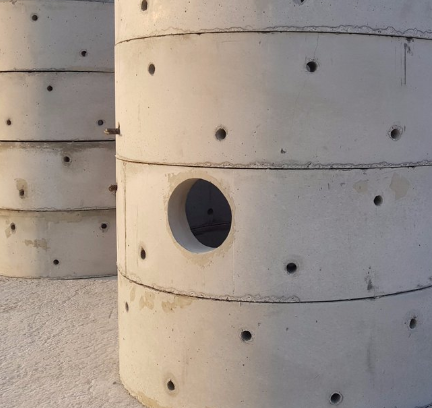
A precast concrete soakaway is an underground structure that we employ for stormwater management. These structures are manufactured off-site in controlled factory settings. After preparation, you shift them to the site and install them below ground level.
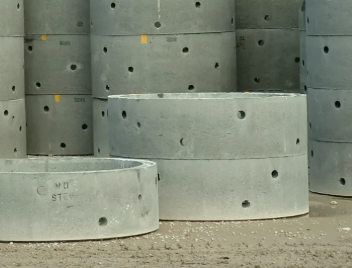
The main role of this structure is to collect the excess rainwater runoff and slowly release it into the surrounding soil. These underground precast concrete chambers comprise reinforced concrete elements like cells, rings, or crates in the form of a voided network that rests beneath the surface.
Soakaways capture excess water from rainfall, which prevents it from flooding sewers or local waterways.
How Do They Work?
Research shows the integration of soakaways into urban drainage systems lowers sewer overflow volume by up to 68 % in ideal scenarios. A typical precast concrete soakaway features concrete rings or chambers with engineered void spaces to temporarily store water. It also has some perforated or open-jointed surfaces, which facilitate water infiltration. There are also some access shafts that facilitate routine maintenance.
Water from roofs, roads, or paved urban areas goes into drainage pipes. These pipes direct this runoff into the underground soakaway chambers. These chambers store this water temporarily. Then they slowly let the water infiltrate into the surrounding soil through pores at a controlled rate.
The Importance of Precast Concrete Soakaways in Urban Planning
The following are a few points that highlight the importance of these precast concrete structures for infrastructure development.
- Unlike natural land, which absorbs 50-80% rainfall, urban land absorbs less than 15% rainfall, which makes it essential to develop sustainable solutions to manage this water.
- The accumulation of stormwater enhances erosion as well as flood risks.
- Old stormwater management systems only support smaller populations and lower rainfall intensity, which makes them ineffective in modern settings.
- The use of precast concrete soakaways prevents the risks of sewer overflows, which prevents the destruction of critical structures.
- Urban water runoff carries contaminants like microplastics, grease, sediments, or oil, which leads to underground water pollution.
- Soakaways allow harmful sediments to settle down. This prevents them from entering the soil or water below, which makes them environmentally friendly.
The Key Role of Precast Concrete Soakaways in Urban Planning
Another report shows factors like rapid urbanization, stringent regulations on stormwater discharge, and climate resilience planning drive higher soakaway investment.
The following are some key roles that soakaways made from precast concretes play in modern urban planning.
1. Seamless Stormwater Disposal
Precast concrete soakaways store runoff water temporarily, which reduces peak discharge rates. This delay in stormwater release prevents downstream flooding. The use of these structures in large urban developments ensures the stormwater doesn’t harm foundational structures in any way.
2. Facilitating Efficient Groundwater Recharge
With rapid urbanization, the rate of groundwater recharge significantly decreases. This results in reduced water table levels. It also contributes to stress vegetation as it affects nearby water wells.
Soakaways allow for gradual water infiltration, which restores some of the natural hydrological balance. This creates sustainable water resources even in areas where underground water is scarce.
3. Compact Designs
Most precast soakaways feature compact modular designs. You can customize these in terms of sizes or storage capacities. These precast concrete solutions can easily fit in limited spaces beneath parking areas, roads, or other landscaped elements. This makes these soakaways a perfect option in dense urban settings.
4. Greater Durability
Unlike other soakaways, precast concrete soakaways possess greater structural uniformity. These soakaways have higher compressive strength and exceptional load-bearing capacity. These can resist deformation even under extreme conditions.
All of these features make these reinforced soakaways a durable and lasting drainage solution in all urban development projects.
5. Sustainable Drainage Systems (SuDS)
Soakaways are a key component in modern SuDS or Sustainable Drainage Systems. Every SuDS system aims to slow down water flow and store it temporarily. These systems also focus on water treatment and gradual release underground. Precast concrete soakaways can facilitate all of these tasks.
This makes these effective for rain gardens, swales, green roofs, and permeable pavements.
6. Urban Design Enhancement
Precast concrete soakaways make urban areas more functional without any impact on the aesthetics. You can integrate them into public parks or pedestrian plazas. You can also install them beneath parking facilities or sports fields. The applications of these soakaways are truly diverse, and that is what makes them effective in urban settings.
7. Long-Term Cost Savings
The accumulation of surface water from rain, storms, or human activities enhances the risks of flooding. It also leads to infrastructure damage, which wastes so much money in the long run.
The integration of precast concrete soakaways eliminates these risks, which results in high long-term property values. It also reduces insurance risks as well as municipal maintenance costs. This is what makes them a cost-effective drainage solution.
Conclusion
Precast concrete soakaways have a critical role to play in modern urban drainage projects. These structures give you greater durability as well as the capacity to handle excess stormwater or rainfall.
Soakaways can help you plan safer and more resilient urban developments that are good both for the soil and the planet in general. The use of precast concrete soakaways mitigates flood risks. They also support efficient groundwater recharge, which not only improves water quality but also preserves the integrity of the surface of the land on which your property resides.
So, make sure to consider this solution for your next urban project to address modern urban drainage challenges in a sustainable manner.
Visit us at Naran Precast Concrete Co. today to get premium quality precast concrete products that ensure durability and efficiency in all modern urban development projects.
FAQs
What makes a precast concrete soakaway effective?
This concrete structure disperses surface water even in cases where you cannot connect a surface water system, like a gutter or a downpipe, directly to a drainage system. This system collects and then drains water gradually. This protects both the soil health and the structural integrity of the building.
What is the recommended depth of a precast concrete soakaway?
The depth of this structure should be between 200mm and 700mm for maximum performance.
What is the lifespan of a typical precast concrete soakaway?
Most precast concrete soakways can last 30 to 50 years with minimal upkeep.
Can precast soakaways reduce the risks of flooding?
These soakaways manage peak stormwater flows. The use of these systems, along with suitable permeable pavements or swales and detention basins, significantly reduces flooding risks.
What makes precast concrete soakaways superior to plastic or fiber soakaways?
Precast concrete soakaways give you a greater strength to weight ratio. These soakways give you much better impact resistance. The off-site production also makes the installation of these soakaways quicker.