
High-rise residential buildings have become a staple in modern city infrastructures. As the urban population grows at an unprecedented pace, the need for durable, faster, and sustainable construction solutions is now more than ever.
One construction approach that promises this is the use of precast insulated panels or precast concrete sandwich panels. These panels combine concrete’s structural strength with built-in insulation. This combination offers several benefits in terms of construction efficiency, costs, energy savings, and overall performance.
This blog looks into the key advantages that precast concrete panels offer for high-rise buildings. So keep on reading till the end to see how these panels revolutionize modern construction projects.
- What Are Precast Insulated Panels?
- Precast Concrete Insulated Panels: Benefits for High Rise Buildings
What Are Precast Insulated Panels?
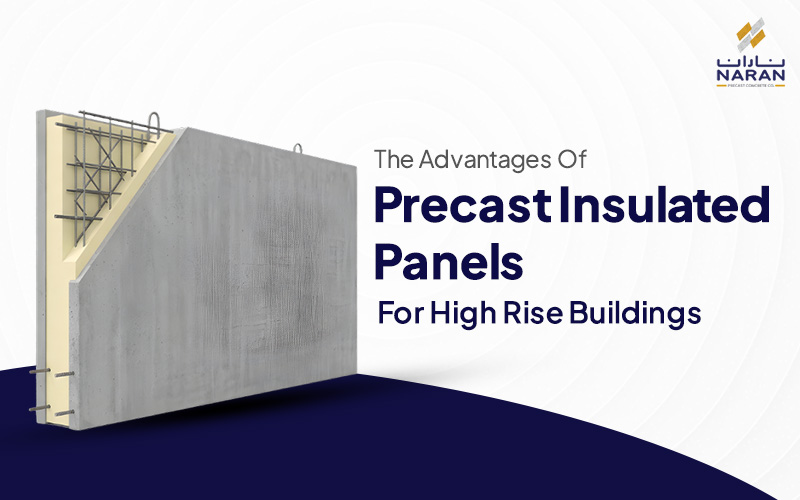
Precast insulated concrete panels are modern building components that consist of two concrete layers with a continuous insulation core right in the middle. These three layers bond together with connectors, which create robust, integrated precast concrete structural elements.
These solid panels are prepared off-site in factory-controlled settings, which results in greater surface uniformity. The off-site construction allows these panels to come in a ready-to-install form, which streamlines construction processes.
The integration of the insulation layers enhances the structural, thermal, as well as soundproofing features of these concrete panels. Precast insulated panels possess high thermal resistance, which results from continuous insulation layers that reduce heat transfer to a great extent.
Here are a few ways you can use precast insulated panels in high-rise buildings.
- You can use these as load-bearing structural walls.
- You can also make exterior cladding systems.
- These panels also find use as insulated façade elements.
The following section breaks down different components of precast concrete insulated panels.
1. Exterior Concrete Layer (Outer Wythe)
This is the outer concrete layer that is responsible for the aesthetics as well as the weather resistance of the insulated panels. This layer faces the outside, and it can include decorative texture or colors.
2. Insulation Core
Next up is the insulation core that exists right below the upper wythe. This core typically consists of Expanded Polystyrene (EPS), Extruded Polystyrene (XPS), or Polyisocyanurate (PIR) that act as thermal barriers.
3. Interior Concrete Layer (Inner Wythe)
The third layer exists right below the insulation core. This layer faces the interior of the building. It provides structural support both to concrete panels and the structures that these are a part of. Some high-rise buildings also use these precast concrete products as finished or textured interior walls.
4. Connectors (Ties)
These stainless steel or fiber-reinforced polymer (FRP) components connect concrete layers with the insulation layer. First, you pour the top concrete layer and then place insulation on top of it. Then you install these connectors through the insulation and pour the second layer afterwards. Connectors minimize thermal bridging while ensuring the structural strength of the precast concrete panels.
Precast Concrete Insulated Panels: Benefits for High Rise Buildings
Most high-rise building projects now prefer precast concretes insulated panels instead of on-site pouring. The reason for this is that this material promises exceptional structural strength at low overall project costs. This approach also comes with several other benefits, and this section gives you a few main ones.
1. Accelerated Construction Speed
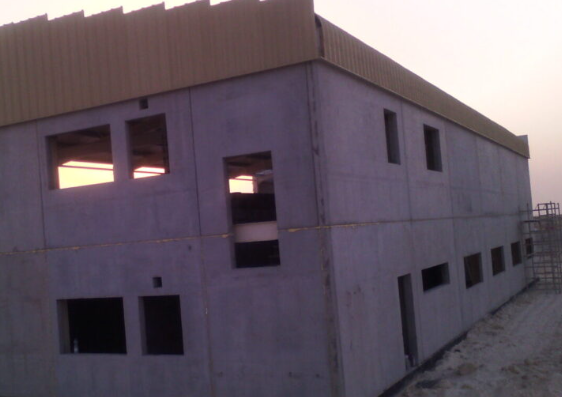
Precast insulated panels make construction timelines much shorter. Off-site construction of multiple panels takes place at the same time you prepare the site. After delivery, you can easily erect these panels with cranes. This approach reduces weather or site labor-related bottlenecks, which allows you to finish the project 30-40% faster.
2. Superior Thermal Performance and Energy Efficiency
Precast insulated panels offer superior thermal performance. These panels have a high thermal mass, which allows them to absorb heat quickly and release it at a much slower rate. This stabilizes indoor temperatures, resulting in much higher energy efficiency.
These panels reduce the load on your HVAC systems. The result is much lower energy consumption, which allows residents in high-rise buildings to enjoy maximum comfort every single day.
3. Enhanced Structural Strength and Durability
Research reveals that there is up to 13% lower displacement in certain concrete panel configurations under impact loading as compared to regular panels. The high inherent durability of concrete makes it ideal for high-rise buildings that have to face constant outside weather due to a large surface area.
These panels come with uniform structures that can easily withstand heavy impacts, wind, and seismic forces. This makes the insulation panels last a lifetime with minimum upkeep.
4. Improved Fire Resistance and Safety
Fires are a major hazard in modern high-rise buildings. Precast concrete insulation panels or precast concrete boundary walls eliminate this hazard to a great extent. The non-combustible nature of concrete ensures the fires do not spread easily.
The use of these panels not only ensures occupant safety but also allows building owners to show compliance with strict building codes.
5. Cost Efficiency Over the Project Lifecycle
The higher upfront costs of these panels can throw some people off. However, once you consider the cost savings during the project’s entire lifecycle, they automatically seem like a better option.
These panels reduce labor requirements as well as project timelines. Unlike normal panels, the insulation panels lower energy as well as maintenance costs. With these panels, you do not need to invest in building insulation separately. All these factors make these the most cost-effective building construction solution in the long run.
6. Design Flexibility and Aesthetic Versatility
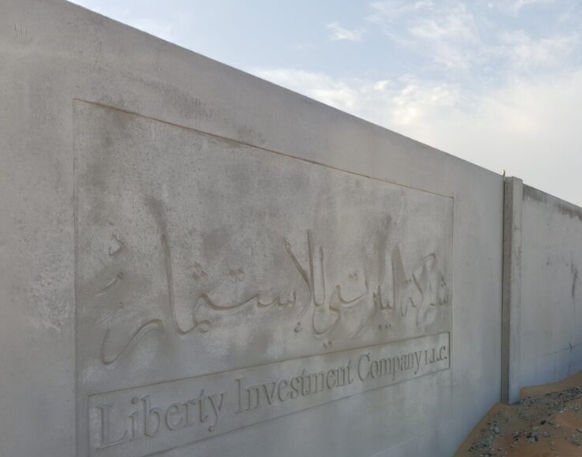
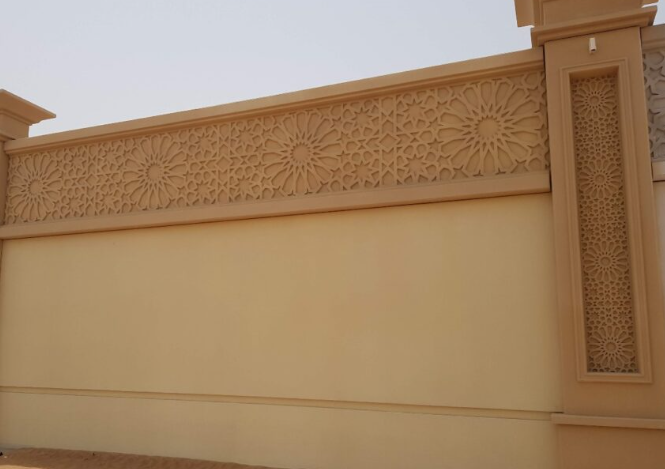
Another major perk of precast concrete insulated panels is that they give you design flexibility. Modern high-rise buildings need structural elements that are aesthetically versatile. This is possible with concrete panels, as you can customize them with a wide range of colors, textures, or sizes. This allows you to create architectural masterpieces that also possess unparalleled structural stability.
7. Reduced On-Site Congestion
Precast concrete panels produce very little to no material waste and site pollution. Off-site production of these panels, along with minimum labor involvement, eliminates site congestion to a great extent. This makes these panels perfect for high-rise projects in dense urban environments.
Conclusion
Precast insulated panels have brought a revolution in the design as well as construction of high-rise buildings. These structural elements lead to greater structural stability along with impressive thermal efficiency.
For projects with shorter timelines without compromising durability, these insulated panels are a perfect construction solution. These panels are thus a smart choice in every modern high-rise construction project that aims to deliver iconic aesthetics along with long-term high ROI.
Visit us at Naran Precast Concrete to get top-quality precast concrete insulated panels for all high-rise building projects all over the UAE to get durability, aesthetics, and energy efficiency all in one.
FAQs
What are insulated precast panels?
These are factory-made panels that consist of two concrete layers and a solid insulation core in between. These panels offer thermal efficiency along with a superior structural strength.
What makes precast insulated panels a better option for high-rise projects?
These panels give you energy savings. They reduce heat loss while also making the place soundproof. Superior weather resistance, along with greater design flexibility, also make these panels a great option for high-rise projects.
What is the lifespan of precast insulated panels?
These durable panels can last 50 to 100 years, even in adverse environmental conditions.
What are some insulation core materials that precast solid panels use?
These include expanded polystyrene, extruded polystyrene (XPS), and polyisocyanurate (PIR) materials that offer excellent thermal performance while also being very lightweight.
How do precast insulated panels improve energy efficiency?
These panels reduce heat transfer into the building from the outside. They also absorb heat from the indoors. This stabilizes temperatures, which reduces pressure on your air conditioning units. This is how they improve energy efficiency.