
The construction sector in the UAE has transformed significantly in recent years. Projects no longer focus entirely on time or cost savings. Instead, the local authorities require them to meet sustainability targets and energy efficiency goals that come under strict green building codes.
One effective construction solution that facilitates compliance with several green building codes in the region is a precast thermal panel. These innovative precast concrete structural elements offer remarkable structural stability along with superior thermal insulation performance that you do not get with traditional panels.
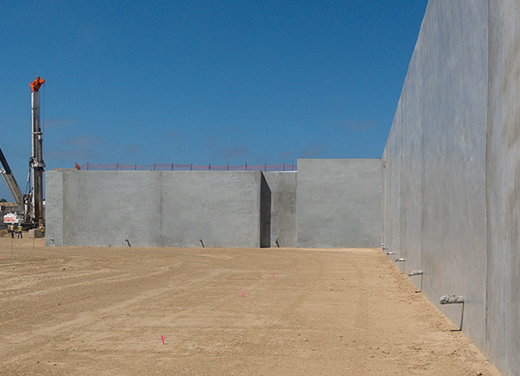
This makes them ideal for the UAE’s extremely tropical climate. This blog explores precast thermal panels in detail. It looks into how these panels help you meet stringent UAE green building requirements. So, let’s get started.
- Understanding UAE Green Building Regulations
- Core Principles Across UAE Green Building Rules
- What Are Precast Thermal Panels?
- How Precast Thermal Panels Support Green Building Compliance in the UAE
Understanding UAE Green Building Regulations
Building construction in the UAE is all about sustainability and energy efficiency. The following are some key UAE green building regulations that you must take into account in every project.
- Al Sa’fat System
This green building regulation system evaluates energy efficiency, water conservation, waste management, and indoor air quality of buildings in the UAE. The main goal here is to reduce the energy demands of the building by improving insulation performance.
Al Sa’fat Green building system focuses on the energy efficiency of the buildings and gives them ratings accordingly. Based on the energy performance, this system gives buildings Silver Sa’fa (mandatory baseline), Gold Sa’fa (higher performance), and Platinum Sa’fa (highest sustainability level) ratings.
- Dubai Building Code (DBC)
This regulation sets minimum standards for a building’s envelope performance, solar heat control, glazing, and key energy performance requirements. Every project must adhere to the rules set by the DBC. Non-compliance makes you liable to financial losses and long-term legal disputes.
- Abu Dhabi Green Building System (Estidama)
The Estimada ratings system deals mainly with sustainable construction in Abu Dhabi. This system requires developers or building owners to reduce energy demand, enhance water efficiency, and minimize material waste. Every project has to meet the required “Pearl” credits under this rating system.
The main focus of this system is to make sure the buildings ensure high energy and water efficiency, better indoor air quality, and sustainable material selection to reduce ecological and community impacts.
What Are Precast Thermal Panels?
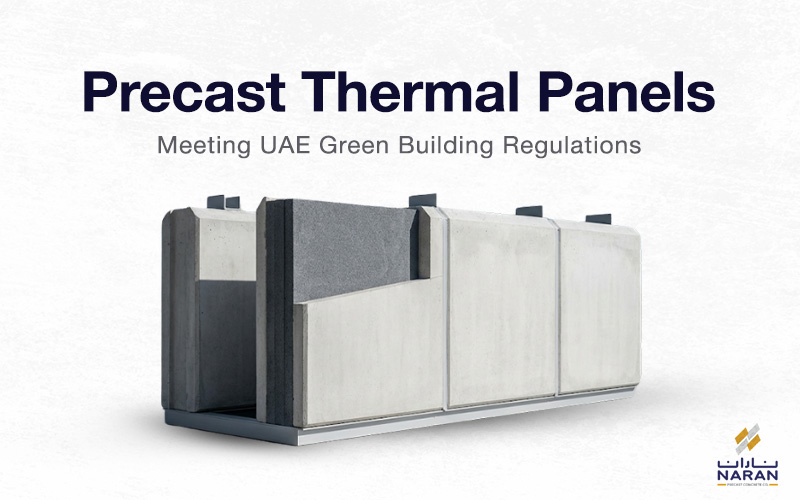
Precast concrete thermal panels are wall or façade elements that manufacturers make off-site in carefully controlled factory settings while keeping the project’s specifications in mind.
The precast concrete insulated wall panel market was valued at ~USD 3.45 billion in 2024 and is projected to reach approximately USD 4.93 billion by 2031 with a CAGR of 5.3%.
A precast thermal panel has three components. An outer concrete layer that can come with textures or patterns. An Insulation core made from EPS, XPS, PIR, or mineral wool. And another concrete layer that faces indoors. This type of construction is why these precast concrete products get the name insulated sandwich panels.
The design of these panels reduces heat transfer. This improves your building’s envelope efficiency, leading to fewer energy costs.
The following are some areas where these panels find uses in the UAE.
- Residential Projects
- Industrial facilities
- Warehouses
- High-Rise Offices of Apartments
- Commercial buildings
- Logistics hubs
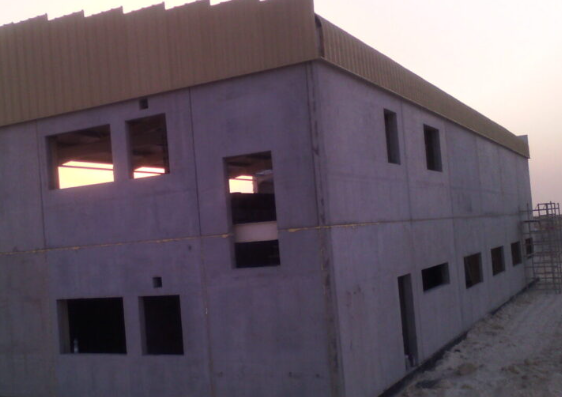
How Precast Thermal Panels Support Green Building Compliance in the UAE
Here are a few points that show how precast insulated panels support green building compliance in the UAE.
Buildings that use precast insulation wall panels reduce operational energy use by approximately 49.25% to 49.38% compared to conventional concrete panels.
1. Superior Thermal Insulation Translates into Energy Efficiency
There is an insulation core sandwiched between two concrete layers in thermal panels. This core prevents the transfer of heat between the interior and exterior environments.
Less heat transfer means lower cooling loads. This, in turn, leads to reduced energy consumption by your HVAC systems. Energy consumption efficiency is among the key factors in the UAE’s green ratings systems. This means projects that use these panels get a major compliance advantage.
2. Contribution to U-Value Compliance
U-value compliance refers to a mandatory adherence to regulations regarding heat loss or thermal transmittance through walls, roofs, floors, etc. In the UAE, both Al Sa’fat and Estidama require you to meet U-value limits, especially for walls and roofs.
Precast solid panels for fencing, roofing, or floors lead to lower U-values. This results in stable long-term thermal performance of the building. These panels also reduce thermal bridging, which makes compliance much easier.
3. Faster Construction with Built-In Sustainability
Industry data reveals precast panels reduce construction time by 30–50%. This results from factory fabrication as well as the easy installation of these panels.
Precast thermal panel construction comes with built-in sustainability features. The off-site construction of these panels reduces construction waste. It also leads to better quality control as well as faster installation.
With these panels, the on-site environmental impacts are reduced significantly. This aligns your construction projects with the sustainability requirements in the UAE.
4. Improved Indoor Environmental Quality (IEQ)
Precast concrete thermal panels stabilize indoor weather. A reduction in heat transfer allows HVAC systems to perform optimally. Optimal performance of these systems not only allows you to enjoy cooler but also much cleaner air indoors.
5. Fire Safety and Regulatory Compliance
Precast thermal panels meet strict fire resistance standards set forth by the UAE building codes. Concrete is inherently resistant to fire. The insulation core inside these panels adds an extra layer of safety.
The result is greater structural stability under heat or intense fires. Buildings with these panels also show compliance with civil defense regulations. This also makes them a wise investment in high-rise or high-occupancy developments.
Conclusion
Precast thermal panels are a strategic construction solution that allows you to meet every UAE green building regulation. These panels are not just an optional choice for projects where energy efficiency or long-term cost savings are top priorities.
These thermal panels allow you to show compliance with systems like Al Sa’fat and Estidama, enabling you to play your part in the sustainable construction efforts in the UAE.
Precast thermal panels can help developers and engineers design and create smarter, energy-efficient, and more future-ready structures, and that is exactly what makes them an eco-friendly and reliable construction solution.
Visit us at Naran to get the best precast concrete thermal panels that deliver the best durability, aesthetics, and energy efficiency all over the UAE.
FAQs
What are the key green building regulations in Dubai?
These regulations come under the Al Sa’fat ratings system. According to these regulations, all new developments must adhere to principles such as sustainable construction, energy efficiency, and water conservation.
What makes thermal panels a necessity in the UAE climate?
UAE experiences extreme heat for most part of the year. This means every new construction project must try to keep the outside heat at bay to reduce the air conditioning loads. Precast concrete insulated panels minimize heat gain from the outside. This not only regulates indoor temperatures but also leads to lower energy costs.
How can precast thermal panels help you meet sustainability goals?
There are a number of ways these panels help developers meet sustainability goals. These panels reduce energy consumption and minimize construction waste. They also lower carbon emissions over the building’s lifecycle, which allows you to meet long-term sustainability goals.
How long do precast thermal panels last in the UAE?
These highly durable precast concrete panels can last for decades with minimum upkeep.
Is it mandatory to install precast thermal panels in the UAE to meet green building guidelines?
Precast concrete thermal panels are not mandatory. However, authorities encourage their use as it allows projects to meet Al Sa’fat and Estidama requirements, which makes them eligible for energy credits, support programs, and other incentives.