
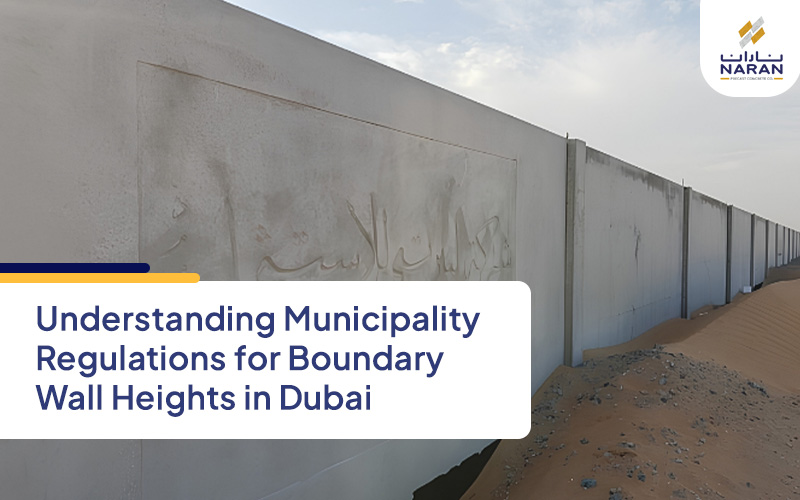
The height of a boundary wall is among the most essential features of a building. This is what ensures greater privacy or security in both residential and commercial properties.
If you live in Dubai and you want to either construct or rebuild your boundary walls, then you should know that the height of the wall is not just a matter of your personal preference. Every construction project in the region is subject to certain building regulations set forth by Dubai’s municipal authorities.
The purpose of these regulations is to ensure every project adheres to certain safety or urban design consistency standards.
This blog discusses key precast concrete boundary wall height regulations in Dubai in detail. This information will help you construct boundary walls that meet all local regulations to save you from unnecessary troubles. So let’s get right into it.
- Why Boundary Wall Regulations Matter
- Who Regulates Boundary Wall Construction in Dubai?
- Standard Boundary Wall Height Guidelines
- Factors That Influence Approved Wall Height
- Consequences of Non-Compliance
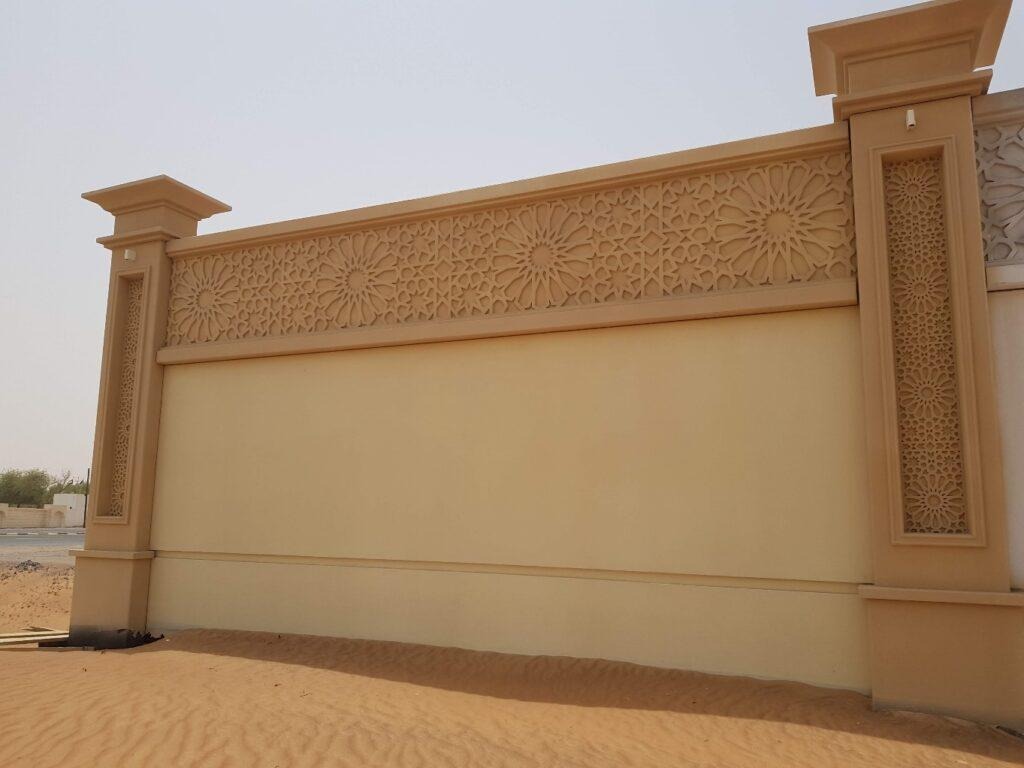
Why Boundary Wall Regulations Matter
According to the Dubai Municipality, all boundary walls have to show compliance with the Dubai Building Code and obtain approval through the building permit process. These building codes aim to create a balance between private property rights and the safety of the public.
Every construction project has to follow standard boundary wall height guidelines as it ensures legal compliance and high long-term property value. Adherence to these guidelines also creates safer roads or pedestrian spaces.
It also creates uniform urban spaces which improve neighborhood aesthetics. Another purpose of these decorative boundary walls height guidelines is to ensure every neighboring property enjoys similar rights or building design freedom.
With these guidelines, Dubai’s municipality aims to ensure every property owner participates in sustainable urban development.
Who Regulates Boundary Wall Construction in Dubai?
The regulations for boundary wall construction in Dubai are established by municipal laws, real estate regulations, and building codes that the Dubai Land Department or the Dubai Municipality approves.
These regulations specify things like boundary wall heights, materials, and acceptable procedural requirements before you begin the construction. The exact construction regulations vary based on the location of the property or the type of development.
The Dubai Municipality Building Code gives you specific standards that you must follow to align your project with the urban planning or safety objectives. According to these guidelines, permissible boundary wall heights in Dubai range from 1.8m to 2.4m. The exact height depends on your zoning classification or the property type.
However, in any case, the owner must obtain prior approval from the municipality before they start with boundary wall construction. This is what prevents future financial or legal liabilities.
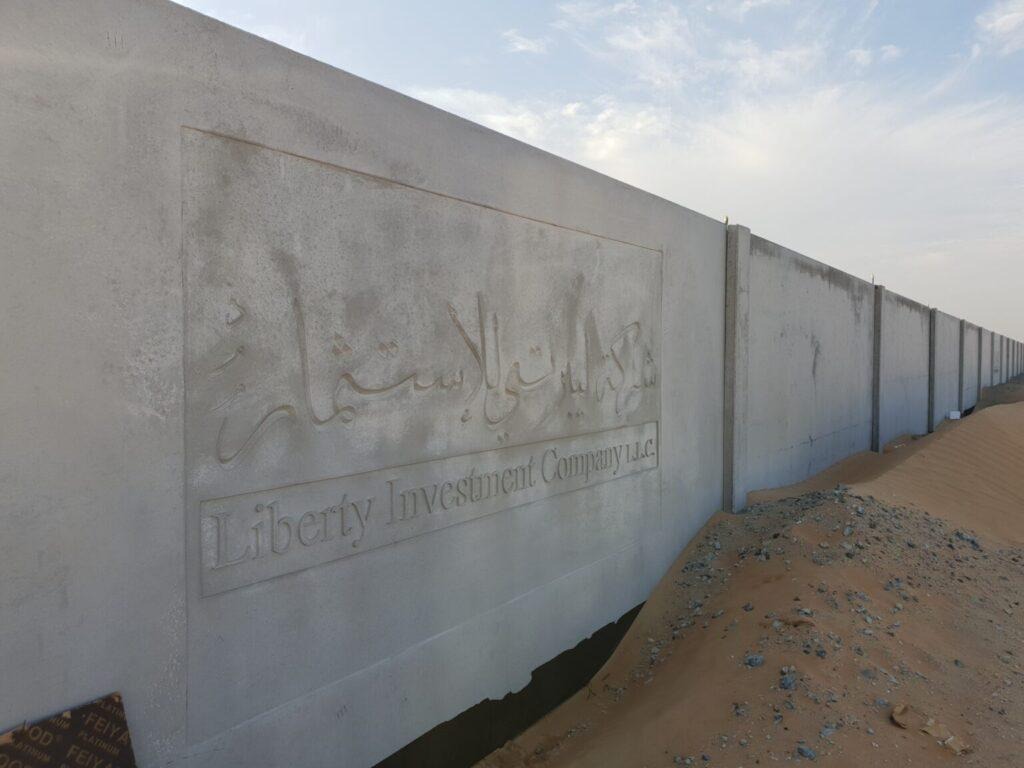
Standard Boundary Wall Height Guidelines
This section looks into key boundary wall construction guidelines in Dubai in detail. This information will help you create boundary walls that meet all local regulations in terms of their heights and more.
- Key Height-Related Guidelines
There is no single universal maximum boundary wall height applicable to every property according to Dubai Municipality. However, most urban development projects in Dubai specify the height of walls to be between 2.4 and 2.7 m. For larger walls, developers have to acquire specific planning approvals.
The purpose of this regulation is to combat structural hazards and promote urban design harmony.
The height restrictions for boundary walls in Dubai are often asymmetric. This reflects the diversity of the urban zones in the region.
For most residential projects, the boundary wall height is typically about 2.4 meters. Still, in certain villa communities or gated compounds, developers can follow different height standards that are consistent with the design rules of the community.
Commercial properties can have 2.7 m or even higher walls after they obtain additional approvals. For this purpose, they need to contact the municipality to learn more about zoning regulations. This helps determine the exact limitations for boundary wall height that apply to your specific property type.
- Additional Guidelines
According to DLD regulations, boundary walls are a part of the property’s structural asset, and that makes them subject to registration requirements.
Your boundary wall must never infringe upon public spaces or adjacent properties. In case of deviations or asymmetric encroachment, the owner is subject to strict legal actions that may require neutralization through formal dispute resolution channels.
These guidelines also state that the boundary wall designs should not obstruct natural drainage. They also specify certain fire safety codes that you must follow to create walls that offer both greater safety and compliance.
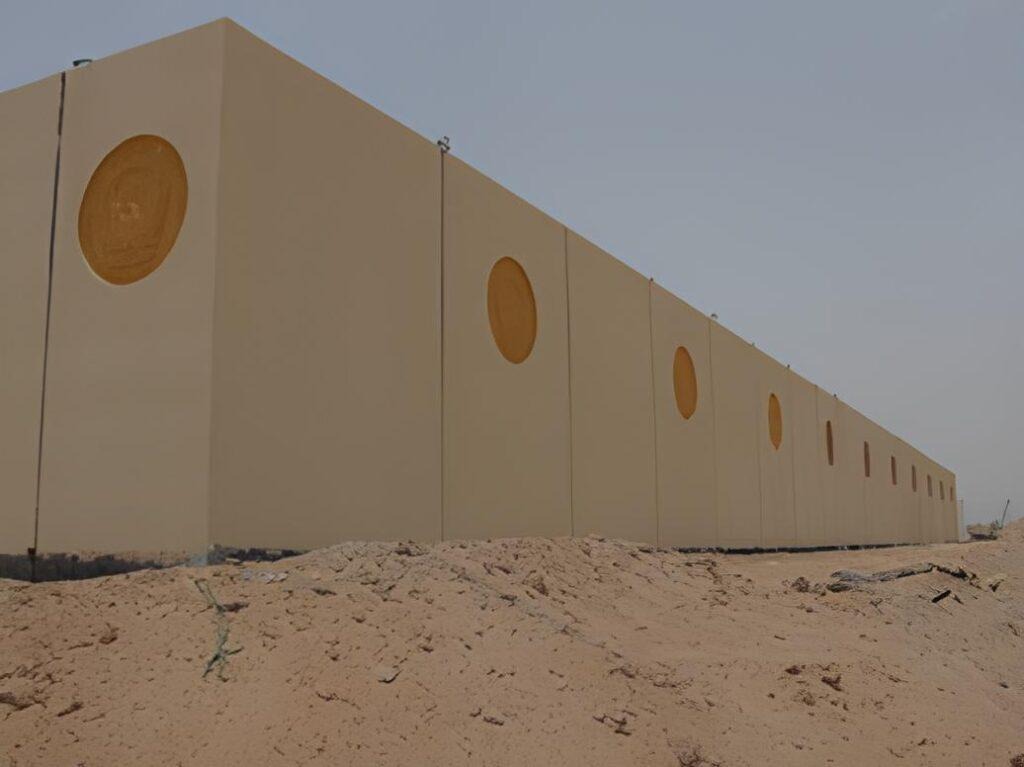
Factors That Influence Approved Wall Height
The boundary wall height in Dubai for commercial or residential projects depends on several factors. An understanding of these factors can help you plan your project in a way that ensures full compliance every time.
- The most important factor is the zoning regulations that apply to your property in a specific location. The height, material, and design of the wall depend on your specific zoning category.
- Another key factor is the location. The wall heights are different for corner plots, main road-facing properties, internal communities, or gated societies.
- If you live in a master-planned community, you might have to adhere to additional architectural standards in terms of wall heights or designs. Community rules tend to be more restrictive than municipality regulations in Dubai.
- The safety requirements also play a major part in this. The height of the wall should be so that it doesn’t create visibility hazards or traffic risks. It should also allow for emergency access.
- And finally, the height of the wall should also meet structural requirements against strong winds or soil movement. It should be able to withstand external conditions like temperature fluctuations or moisture exposure.
Consequences of Non-Compliance
The construction of a boundary wall whose height doesn’t meet the Dubai Municipality rules without any approval is a serious offense.
Here are some major consequences of this infraction.
- You have to pay financial penalties or hefty fines.
- You may get stop-work or permit rejection notices.
- Reconstruction is mandatory in this case.
- Authorities have the power to order the demolition of such unauthorized structures.
- It results in delays in property transactions.
Conclusion
Before you construct or renovate the boundary wall of your property in Dubai, you must take the time to learn about the relevant regulations regarding its height. The height of your boundary wall must be in accordance with your zoning category or building type. It should also meet the community regulations and comply with Dubai Municipality rules.
Before deciding on the height, you must get approvals from the relevant authorities, as it saves you from fines or legal disputes that result in reconstruction or demolition of the wall.
It is always a good idea to consult with professional construction agencies in Dubai before you take this step. These experts can help you learn all about the regulations and obtain the necessary permits, which lead to full compliance and quicker construction every single time.
Visit our website, Naran Precast Concrete Co., today if you are looking for high-quality precast boundary walls or complete building solutions that meet all Dubai municipality regulations for all property types, including residential villas, government buildings, and more.