
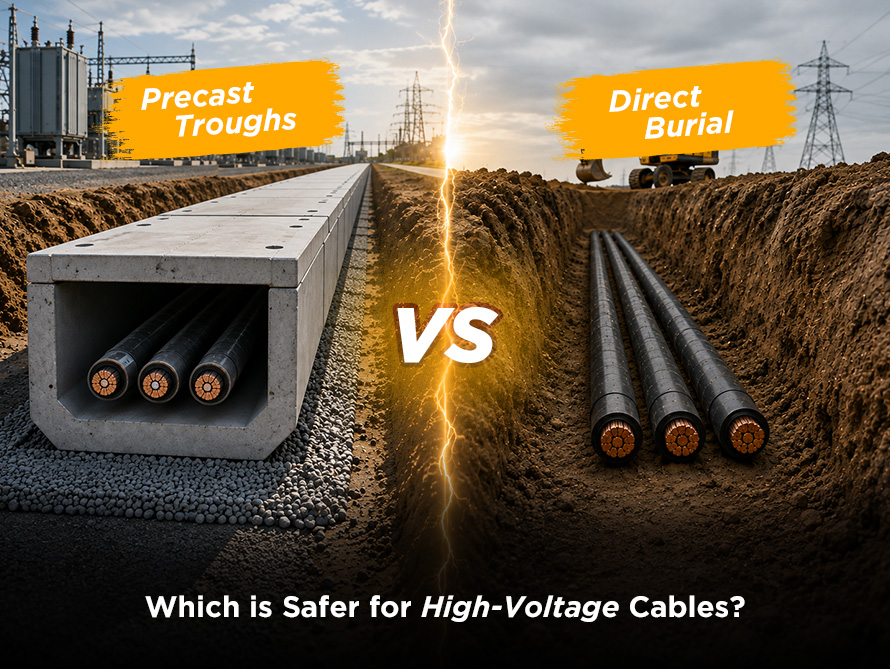
The installation of high-voltage cables in civilian infrastructure projects or industrial sites is a big challenge. The level of protection these cables have directly affects public safety as well as the service life of these cables.
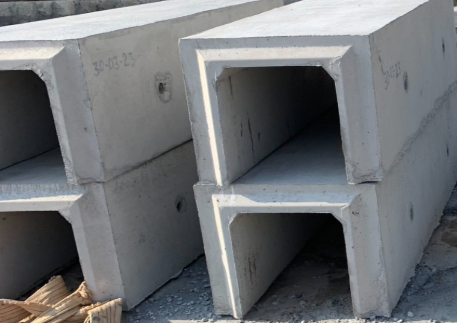
Two common ways to install these wires underground are precast troughs and direct burial. Precast concrete troughs refer to enclosures that can house critical underground cables within durable concrete channels.
Direct burial is an old approach that only aims to place the cables directly into the ground. This method offers minimal physical protection to high-voltage cables.
These cable installation methods also differ in terms of cable durability, service life, ease of maintenance, and more. This blog covers both precast troughs and direct burial methods in detail. It highlights their key differences to help you choose a better option for your project.
- Precast Troughs vs. Direct Burial: A Quick Comparison
- What are Precast Troughs?
- What is Direct Burial?
- Key Differences Between Precast Troughs and Direct Burial
- Which Option is Better for High-Voltage Cables?
Precast Troughs vs. Direct Burial: A Quick Comparison
| Precast Troughs | Direct Burial |
| These troughs use reinforced concrete enclosures to house cables, which results in better physical protection. | The cable protection in this case relies on the quality of cable insulation. |
| There is less risk of external damage during excavation. | The cable damage risks are high during excavation. |
| These allow for easy accessibility for maintenance or repairs. | Accessibility is hard as you need to excavate the whole site. |
| It leads to a longer service life of the cables. | The cable life reduces due to external factors like soil movement or water damage. |
| The installation cost of these troughs is high. | It has low installation costs. |
What are Precast Troughs?
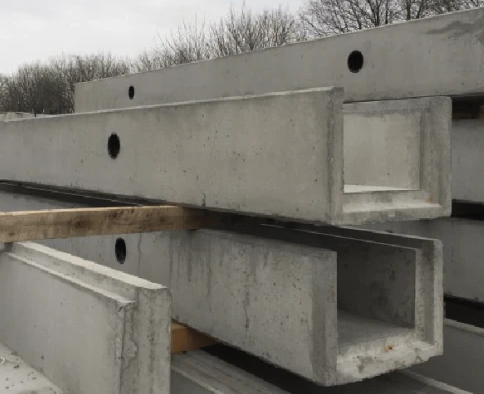
Precast concrete troughs are reinforced concrete channels that undergo preparation in careful factory settings. These concrete channels are perfect for applications where you need to protect critical high-voltage cables underground. Off-site construction of these troughs in factory-controlled settings results in fast installation and fewer labor costs.
Research reveals precast concrete troughs result in 24-53% shorter production times, 38% reduction in construction costs, and about 21% reduction in total lifecycle costs.
Factory construction of these troughs also leads to their consistent dimensions and strength which increases their reliability for key infrastructure applications.
Here are some key benefits of these precast concrete products.
- These troughs use premium quality concrete, which can resist heavy impacts or pressure due to its superior mechanical strength.
- Precast troughs allow for easy or quick access to cable networks.
- These channels offer faster repair, which results in shorter service disruptions.
- Precast troughs allow for better cable management. They reduce congestion or tangling.
- The concrete channels ensure minimum accidental contact with the high-voltage cables.
- Research reveals that the precast concrete troughs can last for 50–100 years.
What is Direct Burial?
This is a traditional cable burial approach where you place high-voltage cables directly in trenches underground. After placement, you cover the trenches with sand and backfill soil.
There are no rigid enclosures in this case to protect the cables from damage that soil movement or other external factors cause. The cable only relies on its insulation for protection.
This method is still a popular choice in small-scale applications due to its low initial costs. This makes it perfect for projects where you use highly insulated cables that you do not need to access in the near future for maintenance.
Key Differences Between Precast Troughs and Direct Burial
Here are some notable differences between precast troughs and direct high voltage cable burial to further make things clear.
1. Physical Protection
There are many benefits of precast troughs for physical protection of high voltage cables. The concrete enclosures in these troughs shield these cables against external impacts. These troughs also ensure better protection against construction activities or heavy machinery.
With direct burial, the cables remain vulnerable to external factors. Excavation machinery or external weather can accidentally damage the cables as there is no added protection in this case.
2. Maintenance and Accessibility
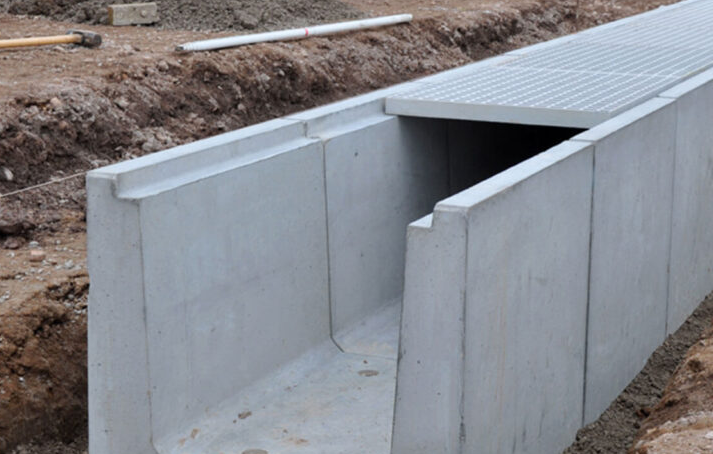
Precast concrete cable troughs allow for convenient accessibility. You can simply access these troughs and remove the covers to reach the cables for inspection.
In the case of direct burial, you have to excavate a larger area to find the damaged cables. This makes both troubleshooting and maintenance very time-consuming.
3. Cable Lifespan
Precast concrete troughs protect your high voltage cables against soil pressure, water damage, tree root intrusion, pest attacks, and ground movements. This increases the lifespan of these cables significantly.
With direct burial, the cables are always exposed to these elements, which increases the risk of damage.
4. Protection Against Accidental Excavation
Construction work is a major cause of damage to underground cables. With precast troughs, you can ensure greater protection of cables against construction activities. These troughs create a strong protective barrier that minimizes the risks of accidental cable strikes.
With direct burial, the risk of accidental strikes to these cables is very high. You need special tools or mapping to make sure you do not damage these cables during construction.
5. Installation Cost
The installation cost of precast troughs is high. You need to spend money on the production and transportation of these troughs. The installation of these elements also requires more skilled labor. However, the initial cost is nothing compared to the long-term benefits of this cable installation solution.
Direct burial comes with lower initial costs. You only need to dig trenches, install the cables, and refill the ground. However, in this case, frequent cable damage or repairs can lead to higher lifecycle costs than precast troughs.
6. Flexibility for Future Expansion
In the case of precast troughs, you can easily add new cables to the network with minimal excavation. The design of these troughs allows for easy expansion of your electrical infrastructure.
This is not the case with direct burial. In this approach, you have to dig new trenches to install more cables along the same channels. This lack of flexibility is what makes them a less ideal option for projects where you often need to expand the cable network.
Which Option is Better for High-Voltage Cables?
Before you can decide between these options, you have to consider your budget and the durability requirements for the project. You also need to keep the long-term operational goals in mind.
If you need to install cables for a project where the budget is limited and the criticality factor is not an issue, you can go with direct burial.
But if your project demands maximum cable protection along with better public safety, you must go with precast troughs. You also need this approach when you look for easy maintenance accessibility and more freedom for future expansion.
Conclusion
The level of protection that you get for high voltage cables significantly varies in the case of precast concrete troughs and the direct burial approach. With precast troughs or channels, you can provide these cables with more protection against a wide range of external factors such as water, pests, soil movement, and construction activities. However, the initial costs in this case can be a bit high.
A more budget-friendly option is direct burial, where you can place the cables in a trench and then backfill it with soil. However, this approach exposes your cables to external factors, which not only increases the risks of cable damage but also puts your safety at stake.
For most large-scale urban projects, precast troughs are a better choice as they extend the service life of the cables. This is what makes them a top priority for most future-ready cable management systems in both infrastructure projects and industrial sites.
Visit us at Naran Precast Concrete Co. today to order our heavy-duty precast concrete cable troughs for all commercial networking and electrical cables. Our premium-quality cable troughs promise exceptional weather and impact resistance, which ensures long-term durability and high efficiency of your power or data distribution systems in all applications.