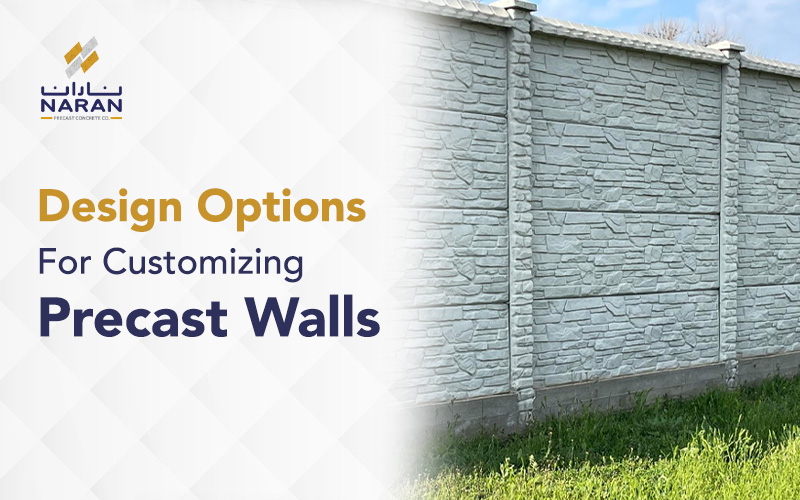
Modern infrastructure projects revolve around speed, durability, and design flexibility. Precast walls have become the top priority in modern construction as they offer all of the previously mentioned benefits and then some more.
Precast walls are poured off-site in a controlled factory setting. The finished walls are transferred to the site and installed quickly. There are countless design variations you can get with these walls, and this is what this blog is all about. So, keep on reading to learn more.
Key Takeaways
- Precast walls give you a wide range of customization options in terms of aesthetics and functionality.
- You can have them prepared in different textures, colors, shapes, and having different functionalities.
- Precast walls are fire and impact-resistant resistant which makes them a more durable option.
- Precast walls can be integrated with features like smart home wiring, decorative caps, and lighting to increase their functionality.
Here is what you will find in this blog.
- Why Precast Walls?
- Popular Design Options for Customizing Precast Walls
- Surface Finish Options
- Color Customization
- Architectural Themes
- Other Material Integration
- Functional Elements
- Eco-Friendly Design Options
Why Precast Walls?
The following are a few benefits of precast walls that show why these are the best choice in modern construction projects.
- Precast walls come with uniform finishes, greater strength, and fewer defects.
- These panels reduce construction time as the processes of site preparation and wall panel manufacturing can be done at the same time.
- Precast concrete walls have greater fire, moisture, pest, mold, and impact resistance.
- These walls have a greater thermal mass, which allows them to absorb and store heat. This keeps indoor temperatures maintained, which improves energy efficiency.
- These walls give you design flexibility. These can be integrated with decorative textures, custom shapes, lighting, grooves, etc.
Popular Design Options for Customizing Precast Walls
The following are a few decorative precast walls customization options that you can consider for your project.
1. Surface Finish Options
There are so many surface finish options and aesthetic choices that you get with precast concrete walls. For modern buildings and interior walls, you can use fiberglass form liners to create a sleek and polished surface.
If you wish to add more visual interest to these walls, you can use abrasive blasting or washing to reveal the aggregates like granite, gravel, or quartz. The exposed aggerate finishes also increase the slip resistance of precast concrete walls.
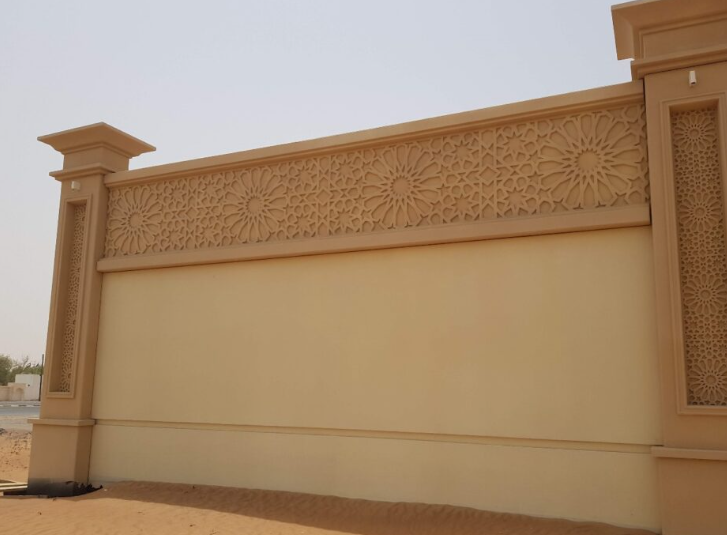
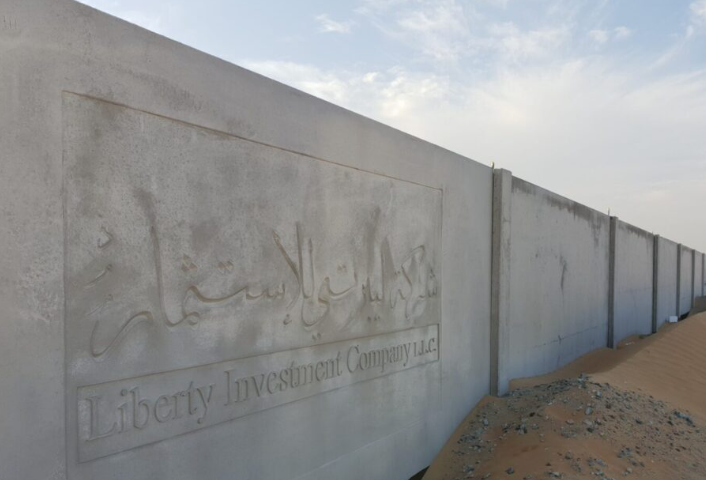
You can also go with different form liner textures like wood grains, custom logos, geometric shapes, and stone masonry patterns to create unique concrete wall surfaces that meet your every aesthetic demand.
2. Color Customization
There is a huge misconception that precast concrete walls always have to be grey and dull. The truth is, you can use countless color variations with these walls to make the overall finish more striking and coherent.
You can go with precast walls where the color is mixed into the concrete before casting. This ensures you get a consistent and long-lasting color that doesn’t fade even in heavy rain or sun.
Precast concrete walls can also be painted with stain, water, and UV-resistant materials, which further increases their life. You can also go with multiple color combinations in precast walls to create gradient and variegated effects.
3. Architectural Themes
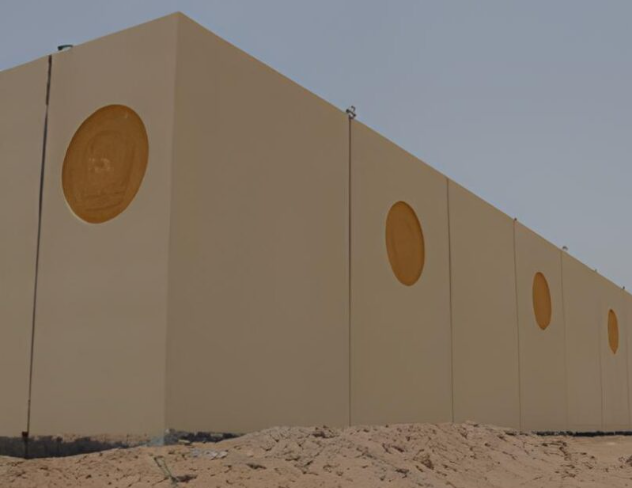
You can use unique molds and 3D shapes to create stunning patterns and shapes in your precast walls. For stadiums and large buildings, you can create curved or radius panels that maximize space efficiency.
You can also add depth and shadow to your building’s façade by using vertical or horizontal ribbed or fluted profiles. Another option is the integration of ledges, reveals, and projections directly into the walls, which gives you a much greater visual feel without having to spend resources on additional construction steps.
4. Other Material Integration
You can incorporate different materials into precast walls during casting to enhance their performance and visual appeal. You can embed small masonry units into these walls to create realistic brick facades without having to spend a lot of labor.
You can also add metal trims or plates to these walls to enhance their architectural style. You can also add insulation layers between two layers of concrete to increase the energy efficiency without affecting the appearance of the walls.
5. Functional Elements
Precast walls not only give you greater aesthetic freedom. These walls can also be embedded with functional elements to meet your specific performance needs.
Denser concrete walls give you greater acoustics. They also offer thermal insulation, which leads to improved energy performance. Reinforced precast concrete walls have a greater fire and impact resistance, which makes them ideal for high-risk structures.
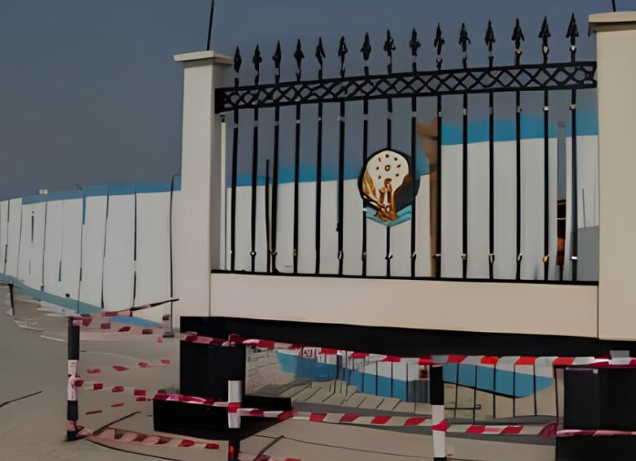
Precast concrete walls can also be integrated with security cameras, lighting, and intercoms. You can also incorporate decorative caps, arched tops, or lattice-topped panels with precast walls that enhance both their aesthetics and functionality.
6. Eco-Friendly Design Options
With the rise of green building practices, a lot of interest has emerged in creating sustainable precast concrete building solutions. With concrete walls, there are many customization options with sustainability at the center.
You can go with precast wall panels that are designed for disassembly and reuse. Integration of natural ventilation and shading profiles is also a great way to reduce material usage and energy costs.
Many people are choosing high-performance mix designs that require less cement, which leads to less usage of energy and natural resources.
Visit us at Naran Precast Concrete Co. today to order our premium quality precast concrete boundary walls for all domestic, commercial, and industrial construction projects.
FAQs
What are precast concrete walls in construction?
Precast walls are pre-manufactured concrete wall panels that are made in controlled factory settings and then shifted to the site of construction for installation.
What are the benefits of precast concrete walls?
With precast concrete walls, you get lower costs, greater durability, fine finishes, and much better overall aesthetics.
Can precast concrete walls crack?
Precast concrete walls crack due to heavy loads or impacts, or as a consequence of improper concrete pouring or curing. However, the risks of cracks are much lower than simple brick walls.
How long do precast concrete walls last?
Typically, with proper maintenance, these walls can last 50 to 100 years.
Are precast concrete walls waterproof?
Precast concrete walls can be made watertight by using a mix of right design, joints, sealants, and waterstops.