
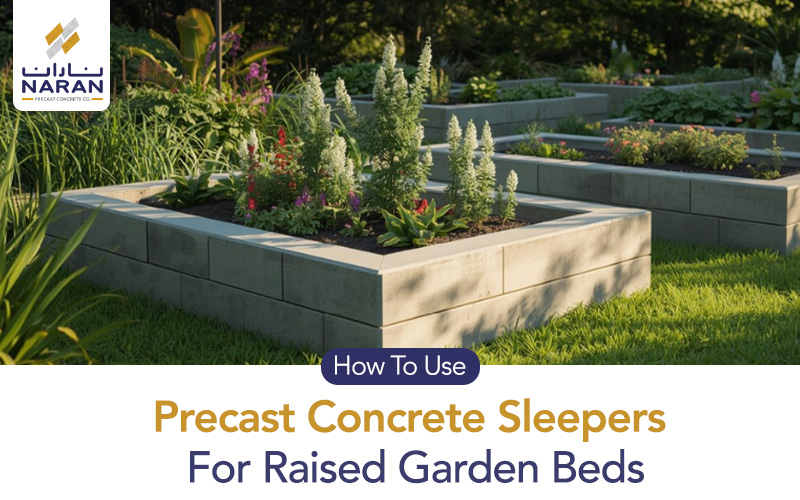
Raised garden beds are a great way to create an organized and visually appealing garden in a limited space. You can use ceramic or timber sleepers to make these garden beds. However, it doesn’t give you enough durability or weather resistance.
One popular option is the precast concrete sleepers that offer longevity and a sleek appearance to your garden beds. You can use concrete sleepers to make raised garden beds in spaces with poor-quality soil or limited room.
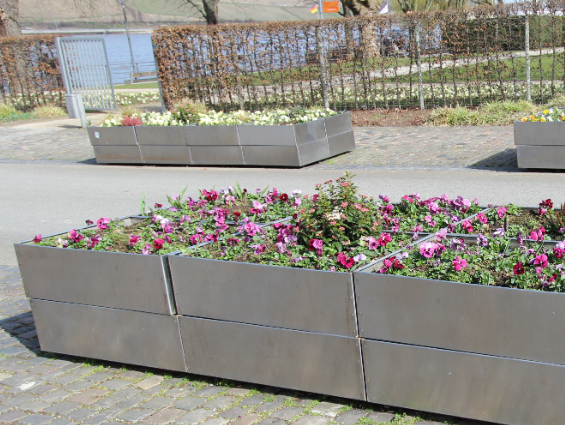
This detailed blog looks into the use of precast concrete sleepers for raised garden beds. This information will help you design and create aesthetic raised garden beds with precast concrete sleepers, so keep on reading till the end.
- What are Precast Concrete Sleepers?
- Using Precast Concrete Sleepers for Raised Garden Beds: Complete Procedure
What are Precast Concrete Sleepers?
These are uniform precast concrete sections that manufacturers prepare in careful factory settings. Precast concrete sleepers find uses in railway tracks and retaining walls. The use of these precast concrete elements in landscaping is also gaining ground all over the world.
The exceptional durability of these precast concrete sections makes them ideal for outdoor applications like raised garden beds. You can find precast concrete sleepers in different sizes or textures that make your garden stand out without sacrificing the integrity of your plants.
Here are some key features that set precast concrete sleepers apart.
- These sleepers possess excellent durability due to their high pest and weather resistance.
- These sleepers come with uniform finishes as well as high rigidity. This makes them ideal for very high raised beds or concrete planters.
- These sleepers are low-maintenance. You have to seal or stain these sleepers every 3-5 years.
- These sleepers have a long lifespan of about 20-40 years which makes them good for the environment.
- Precast concrete sleepers come in a ready-to-use state. You can install and fill them with soil right away.
- The concrete blocks resist the attacks of weeds, which protects your garden.
Using Precast Concrete Sleepers for Raised Garden Beds: Complete Procedure
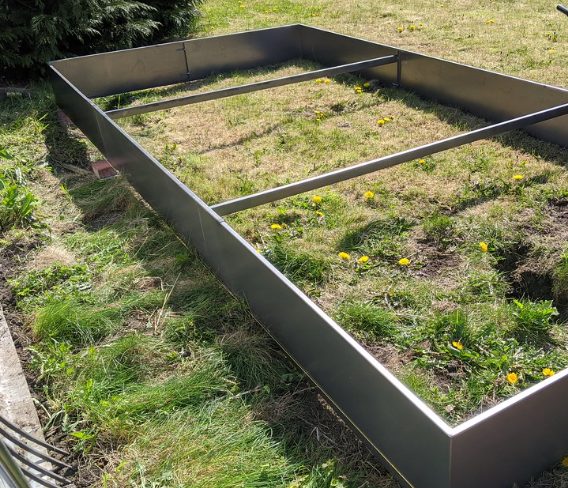
If you wish to build your own raised garden bed with precast concrete sleepers but don’t know where to start, then this next section is all you need. The following is a detailed process that will help you use precast structural elements like sleepers to make an aesthetic raised garden bed. So, keep on reading till the end.
1. Determine the Dimensions of the Raised Garden Bed
First, you need to determine how high or wide the whole structure is going to be. For shallow-rooted plants or flowers, you need a bed that is about 300–400 mm high.
For herbs and vegetables, the height should be about 450–600 mm. Experts suggest the width of a raised garden bed should be about 1.2 meters for maximum accessibility and durability.
2. Materials You Will Need
Next up you need to gather the right materials to complete this job properly. Here is what you will need.
- Precast concrete sleepers
- Crushed rock or road base
- Geotextile fabric
- Steel posts
- Corner brackets
- Garden soil and compost
- Concrete adhesive or mortar
3. Tools
You also need to gather the right tools to make a proper raised garden bed. Proper tools not only make the job efficient but also ensure safety.
Before you start this project, make sure you have the following equipment.
- Safety gloves and boots
- Shovel
- Drill with a masonry bit
- Spirit level
- Rubber mallet
- Tape measure
4. The Procedure
Now that you have all the supplies you need, you can start the construction of your precast concrete sleeper raised garden bed.
Here is a step-by-step guide on how you can do it.
- Clear out all the debris or vegetation. If the area is not level, you can excavate it a little.
- Then lay a compact base of crushed rock over the surface. Make sure it is about 50–75 mm thick to ensure stability.
- Place a concrete sleeper for the base and use a spirit level to make it perfectly horizontal.
- Now you can lay the interlocking concrete sleepers around the perimeter. You can anchor galvanized steel corner brackets or steel posts into the ground for this purpose.
- Next, you can apply the concrete adhesive or mortar between the stacked sleeper layers.
- If the sleeper is higher than 400mm, you can install steel posts at every corner as well as at every 1.5-2-meter distance to reinforce the structure.
- At the base of the raised garden bed, add a layer of gravel, which promotes drainage.
- You can also line the inner walls with geotextile fabric to further improve drainage and prevent soil loss.
- You can also install drip irrigation tubes before you plant in the garden bed.
- Finally, you can add a high-quality soil blend that contains 60% premium garden soil, 30% compost, and 10% sand or perlite to the raised garden bed and start growing your favourite plants right away.
Conclusion
Precast concrete sleepers are superior to wood or ceramic sleepers in many ways. These provide your raised garden beds with longevity as well as design flexibility.
You can use these sleepers to design smaller backyard vegetable patches or large-scale landscaped gardens where you grow multiple crops or plants of your choice. These sleepers create a hygienic environment where your plants get the maximum nutrients and protection from external threats at all times.
However, you need careful planning if you wish to make the most of your raised garden beds. The use of the right installation methods or tools enhances both the productivity and the aesthetics of your raised garden beds for years to come.
Visit our website Naran Precast Concrete Co. today to order our premium quality precast concrete products that promise exceptional durability and aesthetics for years to come.
FAQs
Is it a good idea to use precast concrete raised beds?
These beds are a great option as they offer quicker installation and longevity. The raised garden beds made from concrete sleepers also come with greater weather, impact, and pest resistance.
What should be the width of your precast concrete garden bed?
Standard raised garden beds are about 2-4 feet wide.
Can I use concrete blocks for a raised garden bed?
Yes, concrete blocks are a perfectly safe option for raised garden beds as they come with greater durability as well as aesthetics. You can use these to grow edible gardens, shrubs, or flowers of your choice.
What can you place below a raised bed on concrete?
You can add a layer of gravel between the raised bed and concrete to slightly elevate it. This makes room for the water to drain out of the bed.
How long is the lifespan of concrete sleeper raised garden beds?
These raised garden beds can last you more than 40 years or more with minimal care.
Is there any need for a concrete footing under raised beds that you make from concrete sleepers?
You only need a compacted crushed rock base for most raised garden beds. Experts suggest a concrete footing in cases where you make very tall raised beds on unstable soil conditions.