
Every modern infrastructure project requires stormwater management systems to contain water from heavy rainfall. The risks of flood or property damage elevate significantly if such a system is absent, which puts both the public utilities and safety at risk.
This is where a concrete stormwater pit comes into the picture. This key component collects runoff water and directs it into drainage systems to prevent surface water accumulation.
Now you can either go with the traditional cast-in-situ (cast-in-place) or precast concrete pits to manage stormwater. Most modern projects use precast pits for their greater durability as well as cost-effectiveness.
This blog highlights key benefits of precast pits that make them far superior to in situ pits that we traditionally use. So, keep on reading till the end.
- What are Precast Stormwater Pits?
- What are Cast-in-Situ Stormwater Pits?
- Reasons Why Precast Pits Are Superior to In Situ Pits for Stormwater Management
What are Precast Stormwater Pits?
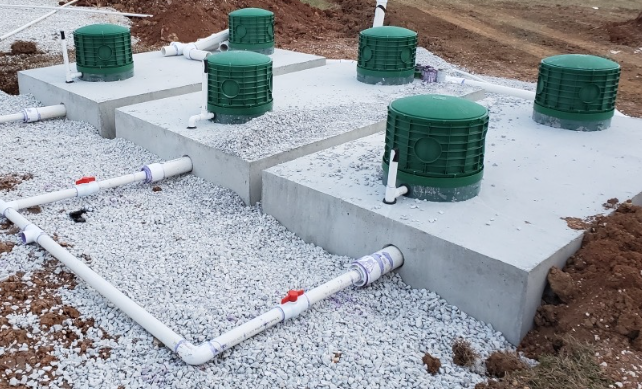
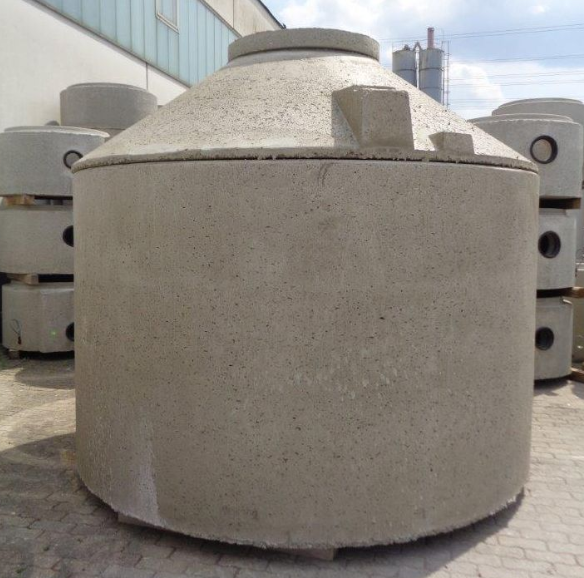
Precast pits refer to prefabricated concrete tanks that are manufactured off-site in careful, factory-controlled settings. These pits are made using custom molds. These are reinforced with steel and then cured under controlled conditions to achieve unparalleled uniformity and structural strength.
Research shows that water or wastewater management accounts for more than 36% of the market demand for precast concrete pits.
The off-site construction of these pits allows for quicker installation with fewer labor which makes it a more cost-effective approach. Studies also reveal that with precast construction, the labor costs of the project can be as much as 20-30% lower than traditional cast-in-situ construction.
Unlike cast in situ puts, precast pits do not need to be poured or cured on site. This enhances site safety and construction efficiency at the same time.
What are Cast-in-Situ Stormwater Pits?
The in situ concrete pits are poured directly on the site of construction. The laborers have to build the formwork, place reinforcement bars, and pour concrete in a sequence. This leads to much longer project timelines.
The in-situ stormwater pit construction also comes with other drawbacks like poor quality control, site-safety hazards, and less design flexibility.
Reasons Why Precast Pits Are Superior to In Situ Pits for Stormwater Management
The following points show why precast stormwater pits are a superior alternative to in situ pits for all urban stormwater management applications.
1. Better Quality Control
What makes precast pits stand out is their consistent quality. The careful manufacturing of these precast concretes in controlled factory settings leads to structural uniformity. Everything from concrete mixing to reinforcement to curing takes place according to specific standards that you can alter based on project needs. This guarantees every unit adheres to strict quality standards.
2. Greater Durability
Precast concrete stormwater pits have the capacity to withstand heavy loads, environmental stressors, or chemical exposure. The high strength-to-weight ratio of these pits gives them greater structural integrity. This enhances their resistance to aggressive soil conditions or groundwater exposure.
A typical precast stormwater pit has a service life of more than five decades. On the other hand, in situ pits often have structural weaknesses that result from their poor pouring or curing, which can trigger premature deterioration.
3. Faster and More Efficient Installation
In the case of an in situ pit, you have to first prepare the site before you can start pouring concrete. You also have to wait for the concrete to cure before you can connect it to the drainage systems. This makes the entire installation process quite lengthy and complicated.
On the other hand, you can prepare precast pits off-site and then simply transfer and install them at the construction site. This leads to reduced time spent on site as there are fewer delays related to weather or site conditions. Statistics show that precast construction is 20% faster than traditional cast-in-place construction, which is what makes these stormwater pits a better choice in projects with tight deadlines.
4. Significant Cost Savings
Precast concrete stormwater pits are more affordable over the entire project lifecycle. With these pits, factors like reduced labor requirements, faster installation, and lower maintenance needs save you a lot of money in the long run. These durable pits do not crack or break down even under harsh usage conditions. This keeps both your underground utility systems and surface structures safe, which translates into significant cost savings.
5. Improved Safety on Construction Sites
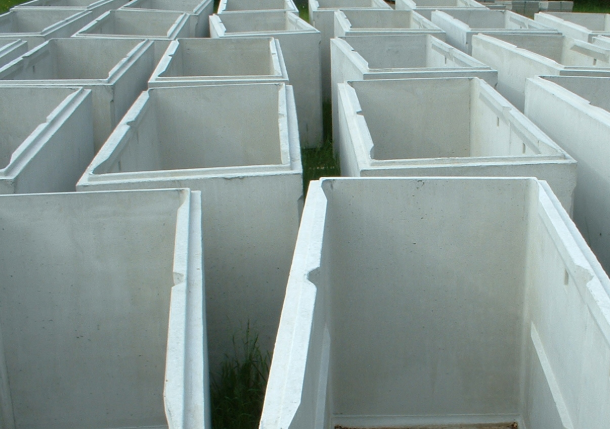
With precast concrete products, the construction activities are reduced. You only need a few workers to excavate the site for the precast pit installation. There is no need to install formwork or physically prepare or pour the concrete on-site. This reduces the risks of equipment-related injuries or wet concrete hazards, which leads to safer construction sites.
6. Environmental and Sustainability Benefits
Modern infrastructure development projects revolve around sustainability. Precast stormwater pits are an eco-friendly option in comparison with their in-situ counterparts. The off-site production of these pits reduces material usage as well as construction waste.
This leads to less impact on the environment. The longer lifespan of these pits eliminates the need for frequent replacements which also leads to fewer environmental hazards.
Conclusion
Precast concrete stormwater pits are a better choice than in situ pits for several reasons. These pits offer longevity, reliability, and low-maintenance due to their greater structural strength.
With these pits, there are very low risks of premature failures or frequent repairs, which makes them an economically viable option. Unlike cast-in-situ pits, precast stormwater pits are built to withstand high impacts, moisture, and chemical exposure. This is what ensures their best performance both in industrial and large-scale civil projects.
Visit us at Naran Precast Concrete Co. today to get high-quality, custom precast tanks and pits to better manage stormwater, drainage water, or other liquids both in commercial and residential spaces.
FAQs
What makes in situ pits and precast stormwater pits different?
The main difference between these pits is in the way they are constructed. In situ pits are poured on site, while precast pits are manufactured in factory-controlled settings. Moreover, precast pits also possess greater durability as well as structural strength. You also get faster installation, along with labor cost savings, with these pits.
What makes precast concrete superior to in situ concrete?
Precast concrete pits are prepared in carefully controlled settings. Their production leads to greater structural uniformity and minimal defects. This makes precast pits more durable.
What makes precast concrete stormwater pits stronger than in situ pits?
These stormwater pits undergo standardized concrete mixing, pouring, and curing processes in factory-controlled settings, which leaves no room for errors. This ensures every unit possesses exceptional structural strength, which is not something you get with in situ pits that are often subject to inconsistent concrete mixing or uneven curing.
What makes precast concrete pits a more affordable option?
With precast concrete pits, factors like reduced number of laborers, faster project completion rates, lower maintenance, and longer service life lead to greater cost savings.