

With rising demand for precast boundary walls, water tanks and manholes, developers are increasingly evaluating which method delivers the best overall value. Here's how the two approaches compare.
Cost comparison
Precast concrete is produced in a controlled factory environment, reducing labour costs, material waste and on-site errors. This makes overall expenses more predictable — and often more economical — for medium and large projects.
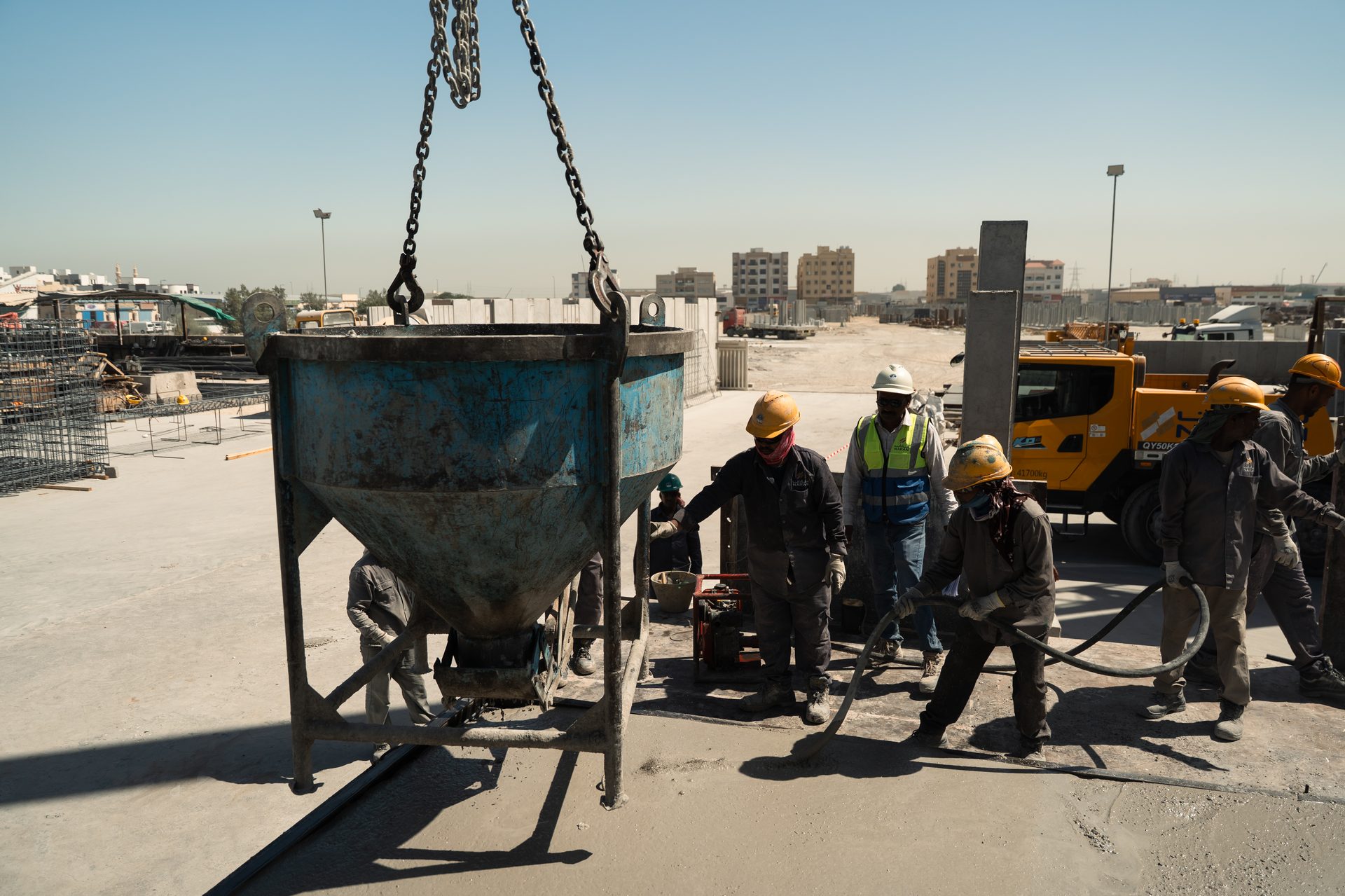
Cast-in-place concrete may seem cheaper initially, but fluctuating labour rates, extensive formwork and weather-related delays can increase total project cost, especially under the UAE's extreme heat.
Time efficiency
Speed is a major advantage of precast systems. While site preparation is underway, precast elements — boundary wall panels, manholes and water tanks — are manufactured simultaneously. This parallel workflow significantly shortens project timelines.
Cast-in-place construction requires step-by-step execution — formwork, pouring, curing — making it slower and more vulnerable to climate-related delays.
Quality & consistency
Factory-produced precast components offer consistent strength, precise dimensions and superior durability. Cast-in-place concrete depends heavily on site conditions and workmanship, which can vary from one project to another.
The verdict
For UAE developers seeking cost efficiency, faster delivery and reliable quality, precast concrete stands out as the smarter choice. Whether you're installing boundary walls, durable water tanks or long-lasting manholes, precast solutions deliver performance that meets the demands of the region's evolving construction landscape.