
Most urban construction projects in the UAE center around energy efficiency. Factors like high energy costs or stringent building regulations are what lead to the demand for construction solutions that offer long-term energy efficiency.
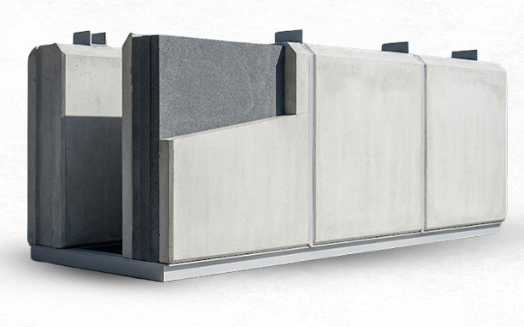
One key way to boost energy efficiency is the incorporation of precast insulated panels. These panels combine the structural strength of concrete with a high-performance insulation material.
This combination forms an effective barrier to reduce heat transfer indoors. The exceptional insulation in these precast concrete products results in consistent indoor temperatures, which reduce HVAC system demands. This is what leads to greater energy efficiency.
This blog covers in detail how a precast thermal panel can boost energy efficiency in modern buildings. So, without any further ado, let’s get right into it to see what makes these panels a smart choice in modern residential or commercial settings.
- What are Precast Insulated Panels?
- Why is Energy Efficiency a Big Concern in Modern Buildings?
- How Do Precast Insulated Panels Boost Energy Efficiency in Buildings?
What are Precast Insulated Panels?
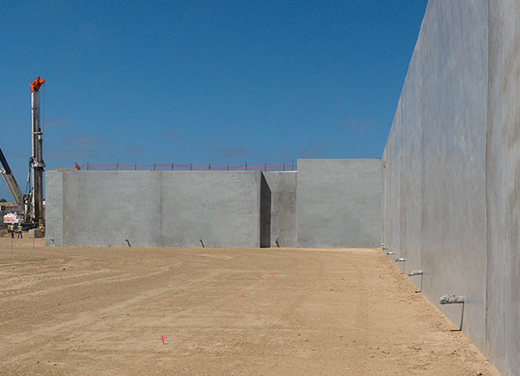
Precast insulated panels, as the name suggests, are concrete elements that manufacturers create in factories under optimized conditions. These panels consist of two concrete wall segments with an insulation layer between them.
With concrete insulated panels, you do not need to install insulation materials separately on site. These concrete elements come with built-in insulation, which reduces installation time to a great extent.
Recent research shows that with insulated precast panels, the building energy usage reduces from 6.9 kWh to 4.8 kWh. This results in at least 30% less energy consumption.
The concrete and insulation combination in this case creates structurally stronger walls that also possess exceptional weather or impact resistance. These panels also guarantee superior thermal performance. This is what makes them an ideal option in areas where very high or very low temperatures are prevalent.
Why is Energy Efficiency a Big Concern in Modern Buildings?
In most modern buildings, the systems that you use to cool or heat the area account for more energy consumption than any other system. If you use your HVAC system in a space with poor insulation, it fails to maintain steady temperatures indoors, which leads to more energy usage.
Poor insulation allows heat to escape in the winter and enter in the summer. This forces your air conditioning units to work harder. This means that, to create a comfortable indoor temperature, these systems need to spend more energy, which raises costs significantly.
One way to prevent this issue is by using precast insulated panels that improve the building envelope capability. Research shows precast insulated panels lead to substantially higher thermal resistance than conventional precast concrete walls, and they improve building envelope energy efficiency. This results in reduced HVAC energy demands.
Precast panels with insulation prevent heat transfer due to their high thermal mass. This not only minimizes energy costs but also prevents the need to invest in more advanced air conditioning solutions.
How Do Precast Insulated Panels Boost Energy Efficiency in Buildings?
Here are some key benefits of precast insulated panels that show how they guarantee better energy efficiency in a building.
1. Superior Thermal Insulation
Studies show an insulated precast wall significantly reduces building heat loss. This results in lower annual heating and cooling energy demands.
Precast insulation panels offer foolproof thermal insulation. The insulation layer that exists inside two reinforced concrete panels increases the thermal resistance of the panel.
This reduces heat flow through the wall. The superior thermal insulation you get with these panels guarantees less outdoor heat enters indoors in the summer. This also traps heat indoors in winter. As a result, your air conditioner usage reduces, which saves you energy costs.
2. Reduced Thermal Bridging
Thermal bridging happens when heat can easily pass through conductive materials like steel or concrete. A panel with poor insulation that you use for walls succumbs to thermal bridging, which not only increases indoor temperatures but also makes external insulation layers less effective.
Precast insulated panels come with specialized connectors or insulation placement. This minimizes thermal bridging to a great extent. This way, your walls can maintain their performance close to their thermal rating, which increases the energy efficiency of the building.
3. Improved Air Tightness
Energy loss in a building can also happen due to air leakage. Wall assemblies that you normally use come with very tiny gaps. This allows the heating or cooling to escape. Through these holes, outdoor air also enters, which puts more stress on your HVAC units.
The design or installation of precast thermal panels requires dimensional and placement accuracy. These panels allow you to create sealed building envelopes with tight tolerances.
These airtight buildings allow your HVAC system to operate less to create steady temperatures. This is because the system now doesn’t have to compensate for air leakage, which results in significant energy savings.
4. Thermal Mass Enhances Energy Performance
Concrete has an inherently high thermal mass. It can absorb heat quickly and then store it inside. After storage, it gradually releases this heat over time. Precast concrete panels with insulation can also absorb excess heat during the day.
They slowly release this heat as temperatures cool to make sure the indoor temperature doesn’t experience a sudden spike. This feature of these panels lowers the peak energy demand of your building. This is what translates into a considerable boost in energy efficiency.
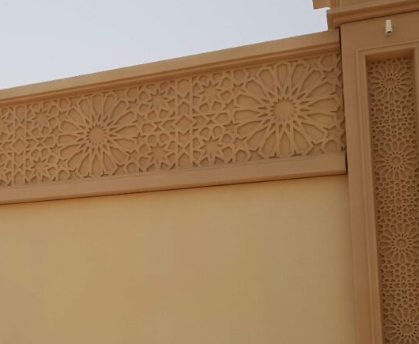
5. Lower HVAC System Requirements
With precast insulated panels, buildings can meet their heating or cooling needs even with smaller HVAC or simple AC units. With smaller air conditioning equipment, purchasing or installation costs also reduce. You also need to spend very little on maintenance or repairs in this case. Over time, these cost savings, along with monthly energy savings, lead to huge financial gains.
6. Consistent Manufacturing Improves Performance
Unlike on-site concrete pouring or insulation installation, precast panels lead to greater consistency in panel placement. Accurate panel dimensions lead to better quality control and fewer installation defects. This reduction in installation errors guarantees your building is able to maintain stable indoor temperatures all year round. With better thermal performance, the energy efficiency automatically gets a boost.
7. Moisture Control Supports Insulation Efficiency
Moisture is the number one enemy of insulation materials. It results in structural deterioration or water intrusion, which reduces the thermal performance of your building.
With these precast concrete structural elements, the insulation goes inside concrete slabs. The concrete on the outside results in better moisture resistance. This protects the internal insulation layers against water damage. This is what allows these panels to retain their performance over time.
8. Long-Term Cost Savings
Precast insulated panels lead to substantial cost savings during their service life. These panels lead to lower monthly energy bills, and they reduce HVAC maintenance costs.
The strength of the concrete makes your buildings both stronger and more durable. This greater durability ensures your wall panels can withstand extreme temperatures, impact, or water exposure for decades with minimal upkeep. Over time, this translates into significant cost savings.
Conclusion
A precast insulated panel is an integrated system that combines the steel’s structural strength with advanced thermal insulation materials. This combination minimizes thermal bridging as well as heat transfer.
It also results in better heat absorption and airtightness. All of these factors lower HVAC demand in modern buildings, leading to a boost in energy savings. The long-term durability of these panels, along with precise installation, further minimizes long-term costs.
This is what makes precast panels a top choice in high-performance buildings where your main goal is to save energy and to meet strict green building codes for the foreseeable future.
Check out our website, Naran Precast Concrete Co., today to order our highly durable precast insulated panels that guarantee the highest energy efficiency in all residential, commercial, and industrial applications.