

Buried water pipes, sewers, power cables, and telecom ducts all need access points. Precast concrete chambers provide that access without building every enclosure from scratch on-site. Across UAE utility projects, they can hold water valves, connect drainage pipes, and protect underground cables. But size isn’t everything. You also need to check how much weight they can handle, whether water can get in, local rules, and how easy they’ll be to maintain.
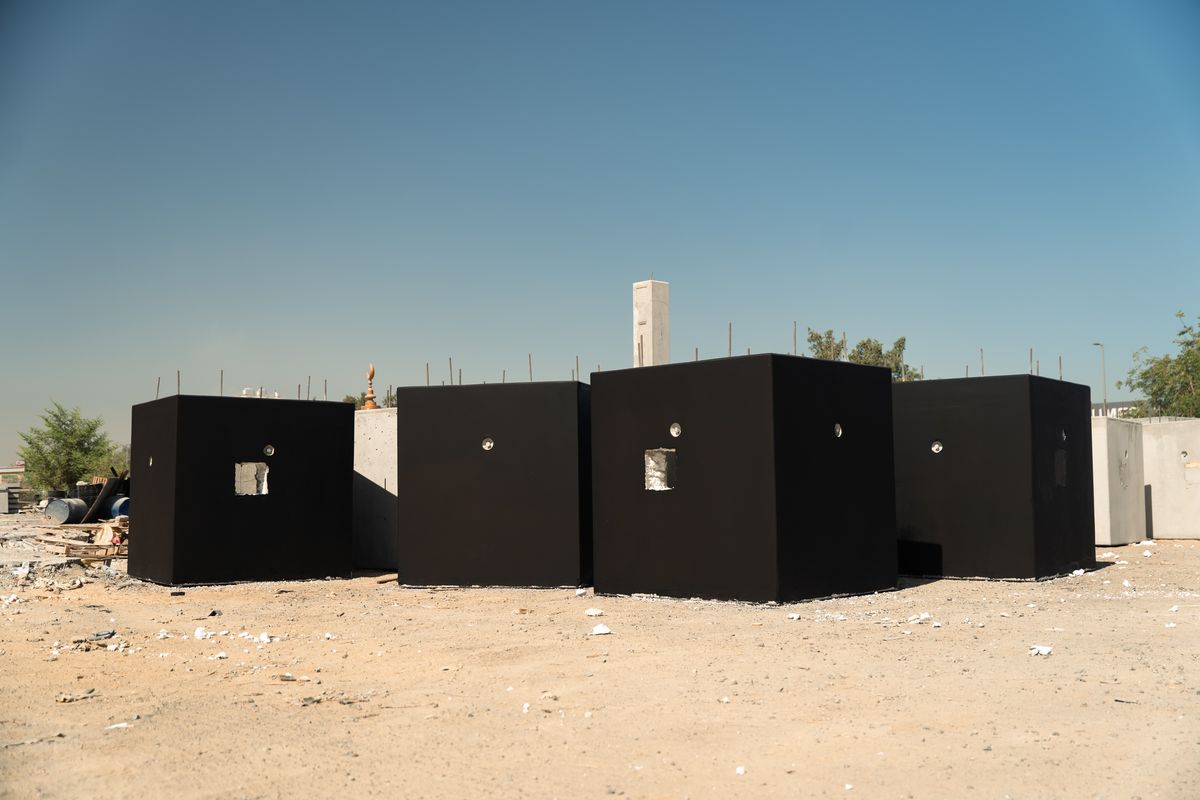
Key Takeaways
- Precast concrete chambers give workers easy access to underground utility networks.
- They’re used in water, drainage, sewer, electrical, and telecom networks.
- Factory-made chambers can save construction time and reduce on-site work.
- Size, strength, waterproofing, and access all matter when choosing a chamber.
- Always check UAE utility authority requirements before ordering.
- Proper installation helps prevent leaks, damage, and future repairs.
What Is a Precast Concrete Utility Chamber?
A precast chamber is a reinforced-concrete enclosure manufactured off-site, then lifted into an excavation. Units may combine a base, walls, and cover. Approved drawings determine pipe, duct, and cover openings.
The chamber does not transport water or electricity. It provides access for inspection, connection, and repairs. That distinction matters: a sewer manhole needs a shaped flow channel, while a water-meter chamber needs clear working space around fittings.
Where Are Precast Chambers Used in UAE Utilities?
Precast chambers serve different purposes across UAE utility networks. Some provide access to pipes, while others protect cables and equipment.
| Utility network | Chamber’s job | Design detail that cannot be ignored |
| Foul sewerage | Provides inspection access at junctions and changes in pipe level or diameter. | Invert levels, formed channels, benching, and sealed pipe entries matter. |
| Stormwater drainage | Connects drains and permits cleaning of silt and debris. | Sump capacity, inlet levels, and access for desilting matter. |
| Potable water | Houses valves, bulk meters, or accessible pipe fittings. | Equipment clearance, drainage, and authority-specific covers matter. |
| Telecoms | Provides pulling and jointing access for underground cables. | Duct alignment, cable bend radius, and spare space matter. |
| Power and irrigation | Houses approved access equipment, valves, or connections. | Asset-owner approval and separation from adjacent utilities matter. |
Sewer Manholes and Property Connections
Dubai Municipality’s Sewerage Design Guidelines require manholes where pipe gradients or diameters change, at junctions, at the end of lateral sewers, and at intervals determined by maintenance access.
The same guidelines specify inspection chambers outside individual plot boundaries and allow non-standard chamber layouts where space or pipe connections demand them. A precast unit is useful only if its inlet positions and finished invert levels match the approved sewer design. A poorly aligned chamber can interrupt flow even when its concrete is sound.
Stormwater and Catch-Basin Chambers
Road gullies and drainage pipes need accessible collection points, especially where sand and debris accumulate. Dubai Municipality’s Stormwater Design Guidelines describe sedimentation manholes with enlarged sumps that retain solids before runoff moves downstream.
Here, deeper is not automatically better. The sump must suit the expected sediment load and cleaning method. A chamber that traps silt but cannot be emptied safely merely relocates the blockage.
Water Valve and Meter Chambers
Precast sections are expressly permitted for certain upstream water-meter chambers under Abu Dhabi’s 2024 Guide to Water Supply Regulations. It addresses structural loading and restricts traffic-area locations without special approval.
Dubai takes a project-specific approach. DEWA’s 2026 bulk-meter chamber guidelines for GRE connections call for watertight reinforced-concrete or precast-HDPE chambers, with a drainage sump and maintenance clearance. They require GRP chamber covers to allow wireless meter communication. So, no, a heavy metal cover is not automatically the right choice.
Telecom and Electrical Access Chambers
In telecom networks, chambers let technicians pull cables, manage spare lengths, and reach splice locations without reopening the whole trench. The International Telecommunication Union’s underground-network guidance highlights adequate working space and cable-bend limits. Seal duct entries, too; otherwise, water and sand can reach the cables.
Electrical chambers need even more careful scoping. Access pits or cable enclosures must follow the relevant network owner’s approved design. DEWA’s infrastructure NOC process applies to works in or near its protected corridors. A generic precast box is not permission to interfere with a power-cable joint bay.
Why Choose Precast Instead of Casting Chambers On-Site?
Factory production allows reinforcement, openings, and dimensions to be checked before delivery. Ready excavations allow lifting and placement without on-site chamber curing. This can shorten the time a trench stays open, which is particularly useful beside busy roads.
However, the savings disappear if openings are wrong, crane access is unavailable, or the unit needs extensive site modifications. Compare the complete installed cost, including transport, lifting, excavation support, joints, and reinstatement, rather than the chamber’s purchase price alone.
What Should You Check Before Ordering?
Before ordering a precast concrete chamber, check a few important things. Getting these wrong can mean costly fixes later.
- Structural loading: Confirm soil pressure, groundwater uplift, burial depth, traffic surcharge, and the cover’s load category. A chamber suitable for a landscaped verge may fail the requirements of a vehicle-access area.
- Chemical exposure: Check site soil and groundwater reports for sulfates and chlorides. These may affect concrete durability and reinforcement corrosion. Specify the concrete mix, cover, protective treatment, and joint materials for the actual exposure, not simply for the UAE climate. The American Concrete Institute explains why sulfate-bearing ground requires particular precautions.
- Connections and access: Verify pipe inverts, duct entries, valve-removal space, lifting points, and cover position against shop drawings. For sewers, plan the channel and benching. For meters, leave access to bolts, valves, and the meter body. Never assume a standard chamber fits a non-standard connection.
- Authority compliance: Check the asset owner’s current standard drawings and NOC conditions before fabrication. BS EN 1917 covers concrete manholes and inspection chambers, but it does not replace Dubai- or Abu Dhabi-specific approvals.
How Are Precast Chambers Installed?
First, survey existing services and confirm the approved location, levels, and excavation method. Prepare stable bedding or a designed foundation. Then lift the chamber using its specified lifting system, position it to line and level, and connect pipes or ducts through approved openings.
Next come the details most likely to cause trouble later: seal wall penetrations and section joints, complete internal channels or equipment supports, and check cover levels. Inspect for damage and carry out project-required watertightness or other acceptance tests before backfilling in controlled layers.
Record chamber positions and connection levels in as-built drawings. Underground access is valuable only when the next maintenance crew can find and safely open it.
The Right Chamber Is the One the Network Can Maintain
Precast concrete can simplify UAE utility construction, but the real test comes years later. If the chamber stays accessible, manages its exposure conditions, and matches the approved network design, it has done its job.
Every utility project is different. So why choose a chamber that doesn’t fit your needs? Naran Precast Concrete makes chambers to match your drawings and project needs. Explore our precast concrete chambers and request a quote.