

Footings are critical construction elements that act as the base or foundation for buildings. Traditionally, contractors created these by pouring concrete into excavated trenches or pits. Once ready, these footings can support walls or individual columns, which prevents the buildings from tilting, shifting, or sinking.
But traditional concrete footings are unreliable as they come with risks like non-uniform pouring, inconsistent structural strength, weather delays, safety hazards, human errors, etc.
Many developers suggest the use of innovative precast footings that offer benefits like better quality control, accuracy, and strength. However, most builders do not pay attention to the proper installation of these footings, which leads to performance issues.
This blog looks into common mistakes that builders make when installing these footings. So keep on reading till the end to install these precast elements the right way every single time.
- What are Precast Concrete Footings?
- Common Mistakes to Avoid When Installing Precast Concrete Footings
What are Precast Concrete Footings?
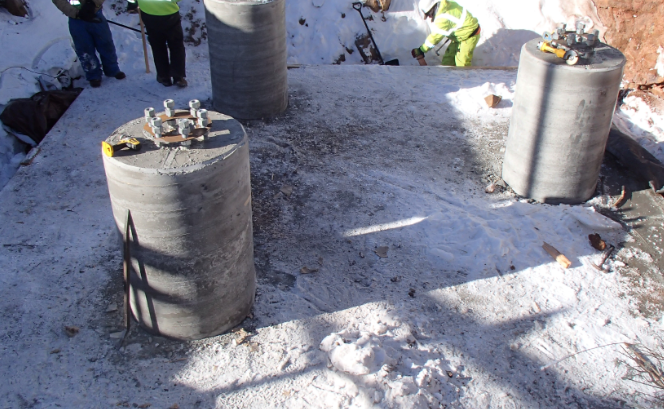
These refer to factory-made precast concrete structural elements. These reinforced concrete base elements are poured and cured in controlled factory settings. After preparation, you can simply transport precast concrete footings to the site of construction for quick installation.
Precast concrete footings come in already cast, cured, and ready to use form. Precast construction (including footings/foundations) reduces overall construction time by ~30–50% compared to the cast-in-place method. They do so by eliminating on-site curing, formwork, and sequencing delays, which significantly accelerates schedules.
This makes them ideal for various applications like building modular homes, light commercial units, decks, sheds, and more.
Key Features
- These elements possess a consistent quality as well as strength.
- You do not need to wait for on-site concrete pouring or curing, which leads to quicker installation.
- Precast production of these concrete elements reduces labor requirements by 30–40%.
- Precast concrete footings are highly resistant to heavy loads, impacts, and harsh weather.
- You can get these precast concrete products in a wide range of sizes or load-bearing capacities.
- Off-site preparation of these footings reduces labor costs as well as site congestion.
- Precast concrete systems produce approximately 20% lower CO₂ emissions than cast-in-place construction.
Common Mistakes to Avoid When Installing Precast Concrete Footings
A sturdy or stable structure needs steady footings. The error-free preparation of the footings directly affects the longevity as well as the safety of different infrastructure elements.
Here are some common mistakes that you must avoid when installing these precast concrete structural elements for your construction project.
1. Poor Site Preparation
Poor site preparation is a major mistake that leads to uneven or loose ground. A poorly graded site leads to settlement issues, which makes your building weak from the foundation.
If your builder ignores drainage conditions, skips compaction of the subgrade, or installs the footings on soft soil, you need to quickly call them out on this. Make sure the builders properly level the ground and use gravel or crushed stones at the base where the soil is in poor condition. This leads to better footing stability as well as drainage.
2. Incorrect Leveling and Alignment
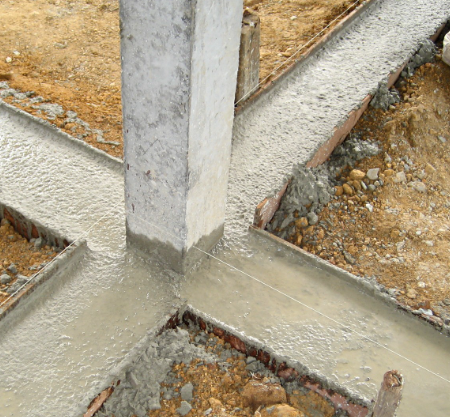
Another mistake is the inaccurate alignment of the footings. Poor leveling of these precast concretes creates several structural problems that affect other elements like columns, beams, and floor systems of the building.
Incorrect alignment occurs when the contractors use guesswork instead of proper leveling tools when installing footings. It also happens when you do not check alignment across multiple footings or fail to account for the slope.
3. Ignoring Load Requirements
This is also a pretty common mistake that affects the durability of the buildings to a great extent. Builders either use undersized footings for heavy structural elements or fail to account for dynamic loads when creating footings. The use of low-capacity footings for heavy load applications is a huge risk that has serious consequences.
4. Improper Handling During Transport and Placement
Mishandling of precast concrete footings can lead to cracks in the foundations. This usually happens when you drop or drag these footings. The use of incorrect lifting equipment can also damage these concrete elements permanently.
This is why experts suggest you handle these footings with care using the right tools. You also need to closely inspect each element before installation to identify cracks before installation.
5. Poor Soil-Structure Interaction Consideration
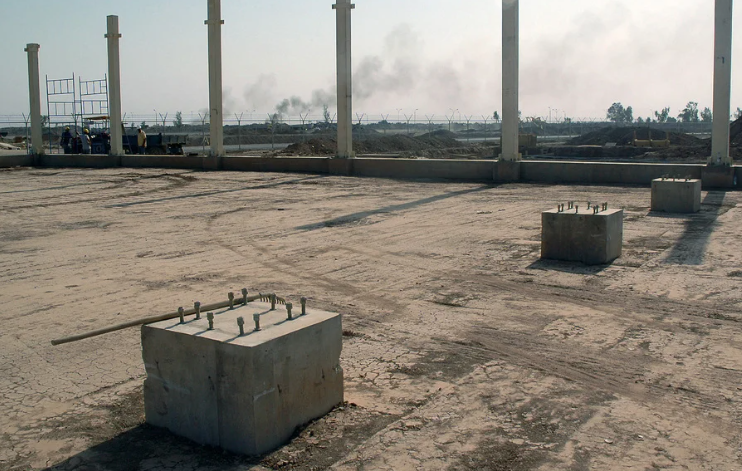
The interaction of the soil with the footing is also something that gets little attention from the builders. They do not account for soil expansion or shrinkage. They also ignore nearby water table levels or fail to assess frost heaves in colder regions.
Ignoring these factors can lead to unstable footing installation or water accumulation, which affects the stability of the entire structure.
6. Inadequate Connection to Superstructure
Another mistake is when you do not connect the footing with the superstructure the right way. This leads to loose anchor bolts, misaligned connection points, and corrosion risks to steel connectors. Poor connections can render even the most accurately built precast concrete footings useless.
7. Using Incorrect Backfill Materials
And last but not least, you also need to be careful when backfilling around the precast footings. Some builders try to rush this by backfilling with loose or organic soil. They also pay no attention to compaction of the fill material, which creates uneven conditions around the footings. This simple mistake causes the footings to shift, which puts the entire structure at risk.
Conclusion
Precast concrete footings have brought a major revolution in the urban construction sector. They offer construction efficiency, longevity, and considerable cost savings. However, lack of expertise on the part of the builders can make even these perfect concrete elements ineffective.
Poor site preparation, inaccurate footing alignment, wrong connections with the superstructure, and poor handling are some common mistakes that you need to avoid when installing precast concrete footings.
Paying attention to these few things can guarantee precast footings never fail to support even the heaviest or most extensive structures for years on end.
Visit us at Naran Precast Concrete Co. today to order our premium quality precast concrete footings and other construction elements to save both time and costs for all commercial, industrial, and residential projects.
FAQs
What mistake is the most common when it comes to precast footing installation?
Poor site preparation is the biggest mistake that can make even the highest quality precast footings ineffective.
How long do precast concrete footings last?
These footings can last a lifetime if you pay attention to things like soil condition, proper installation, and load-bearing capacities.
Can you use precast concrete footings for all soil types?
Precast concrete footings can work in most soil types if you pay attention to soil stabilization, compaction, and proper gravel bed placement.
Can you reuse a precast footing?
In temporary construction projects, you can easily remove or reuse precast footings. Just make sure not to damage them while you remove or relocate them from one place to another.