

Outdoor surfaces like driveways, patios, parking areas, and commercial walkways in the UAE are subject to intense heat and constant sand abrasion. These factors directly affect the durability as well as the aesthetics of these spaces.
For outdoor spaces, you can choose between exposed aggregate concrete and stamped concrete surfaces. The versatility, longer life, and sufficient weather resistance make these finishes popular both in residential and commercial landscapes in the Emirates, like Dubai, Sharjah, Abu Dhabi, and more.
But which of these solutions lasts longer under the constant Gulf climate stress? This is the question that this blog tries to answer. So, keep on reading till the end to choose the right concrete solution for your project.
- What is Exposed Aggregate Concrete?
- What is Stamped Concrete?
- Exposed Aggregate vs. Stamped Concrete: Average Lifespans
- Exposed Aggregate vs. Stamped Concrete: Detailed Durability Comparison
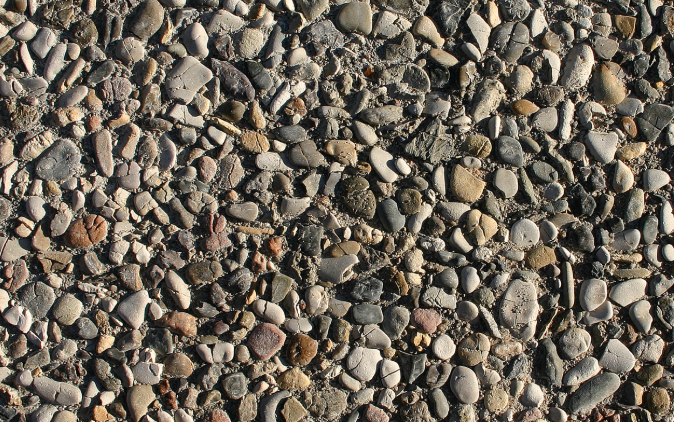
What is Exposed Aggregate Concrete?
This is a common concrete surface type that you can make by washing off or brushing away the top layer of the cement paste from the concrete before it fully hardens. The main goal here is to reveal the natural stones or aggregates that are a part of the mixture. You can vary these aggregates in terms of their colors, sizes, and even textures to create unique surfaces that meet your aesthetic needs.
Exposed aggregate concrete possesses remarkable durability due to its composition. This composition creates a strong internal structure of the concrete that can withstand intense weather and foot traffic for years on end.
Key Features
- This type of concrete finish creates a naturally textured, gravel-like surface, which increases slip-resistance.
- These surfaces can resist both sand abrasion and wear and tear.
- There is no need for synthetic finishes or coatings to protect these surfaces.
- The decorative look of this concrete is built in which tends to last longer.
- The beauty of these surfaces comes from internal aggregates. This means the gradual wear cannot affect its visual appeal.
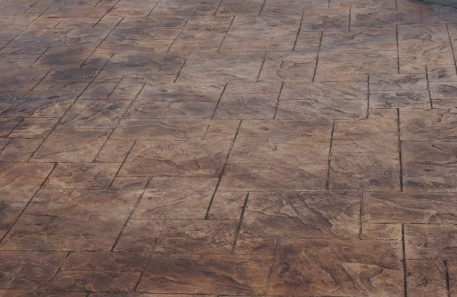
What is Stamped Concrete?
This is another innovative approach where you first pour fresh concrete on the surface and then press different molds to create patterns. Stamped concrete can mimic stone, brick, slate, or wood finishes. This makes it a more versatile option in terms of aesthetics.
To create different finishes, you can add pigments, stains, or dry-shake hardeners to the concrete and then apply sealers to complete the job. The strength of this concert is basically its visual customization freedom, and not the structural durability.
Key Features
- Stamped concrete is highly customizable with a wide range of patterns and colors.
- This concrete can mimic premium finishes at a fraction of the cost.
- You can create both glossy and matte finishes with stamped concrete.
- You can use different surface treatments to enhance both the appearance as well as the durability of stamped concrete.
Exposed Aggregate vs. Stamped Concrete: Average Lifespans
The lifespan of decorative concrete surfaces depends on several factors, such as the installation quality and general performance trends. Studies also show that the decorative concrete lifespan is controlled more by surface treatment durability, permeability, and maintenance. Typically, this type of concrete has a service life of about 50 years and about 80–100+ years in high-quality mixes and good environments.
Exposed aggregate concrete specifically has a service life of 35–60 years in normal exposure conditions. Some high-performance mixes can even have a service life of 50–80+ years before you can expect major surface deterioration.
On the other hand, the service life of stamped concrete is about 20–30 years under normal maintenance and about 30–40 years with consistent resealing. Though both of these concretes last for decades, the stamped concrete tends to age visually much faster due to surface-level treatments, sealing, or colors.
Exposed Aggregate vs. Stamped Concrete: Detailed Durability Comparison
Here is a more detailed comparison between the durability of exposed aggregate and stamped concrete to give you a better idea.
1. Structural Strength and Core Integrity
Both stamped and exposed aggregate surfaces use reinforced concrete as a building block. However, the surface composition of these varies, and that affects their structural behaviors.
In exposed aggregates, just like precast concrete architectural elements, the surface is a part of the concrete body itself. There is no artificial or decorative layering that separates the surface from the internal concrete. This leads to much better performance of this concrete under heavy impacts, loads, or sand abrasion.
In stamped concrete, there is a decorative layer on top. This concrete also uses color hardeners and sealers on the surface. These surface treatments suffer from surface scaling or cracks under the intense UAE climate. This makes both the structure as well as the aesthetic layers of these surfaces less durable.
2. Heat, UV Exposure, and Color Stability
Exposed aggregate concrete uses natural stone colors that are inherently UV-stable. There are no pigments to bleach or fade significantly with these surfaces. This allows the surface to remain visually appealing even after years of sun exposure.
The pigmented colors gradually fade under intense UV rays in the case of stamped concrete. The sealers on the surface degrade due to thermal expansion. This means you have to reseal these surfaces every 2-3 years. The fading is usually uneven, which creates a “patchy” or “cloudy” appearance over time.
3. Crack Resistance and Long-Term Surface Behavior
Just like precast concrete products, the exposed aggregate concrete doesn’t crack easily. And even if it does, the cracks are less visually disruptive due to the textured surface. Minor cracks tend to blend into the natural stone pattern of the exposed concrete, which maintains its aesthetics for years on end.
The stamped concrete allows the cracks to break through the printed patterns. This makes them highly visible even from a distance. And not just that, the pattern or color alignment is also very difficult to restore during repair. Cracks in the sealants can also occur, which results in moisture penetration. This affects the surface behavior of stamped concrete to a great extent.
4. Maintenance Requirements and Lifecycle Costs
You only need occasional pressure washing to remove dust and restore the original look of the exposed aggregates. The dense stone surface of this concrete is resistant to staining. There is minimal aesthetic degradation even after decades, which eliminates the need for resealing or general maintenance.
Stamped concrete requires more maintenance. It requires resealing every 2–3 years and sometimes sooner in high-heat zones like the UAE. You also need to invest in UV-resistant sealers to make sure the surface doesn’t fade away. In a stamped concrete surface, oil stains and tire marks can be more visible. All of these factors result in higher lifetime maintenance costs.
5. Slip Resistance and Safety Performance
Exposed aggregate concrete has a textured or naturally rough surface, which offers an excellent grip even when wet. The high slip-resistance of this material makes it a better choice for homes with elderly or children.
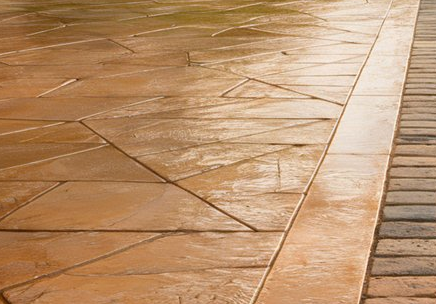
Heavily sealed stamped concrete surfaces have low slip resistance. These surfaces have smooth finishes that are unsafe, especially around pool decks or garden pathways. You need to apply anti-slip additives every few years to these surfaces to eliminate accident risks.
6. Aesthetic Aging Over Time
Exposed aggregate concrete tends to age naturally and uniformly. The aggregates polish slightly over time, which enhances the appearance even further. This type of concrete allows the colors to remain stable and earthy for a long time, which increases the aesthetic age of the surfaces.
Stamped concrete fades unevenly, and the fading patterns become noticeable after some time. The gloss levels also reduce, and the sealers degrade, which makes the original design details less sharp over time. Without active upkeep, the aesthetics of stamped concrete reduce significantly, especially in high-temperature or high-traffic areas.
Conclusion
In the UAE’s intense climate, you need resilient and long-lasting construction solutions. Exposed aggregate concrete is a wise choice as it is much better in terms of surface as well as aesthetic durability. This concrete lasts longer as it features no fragile surface layers or fading patterns.
Stamped concrete is a visually stunning and more versatile option. But its longevity depends highly on regular maintenance. If you are looking for long-term durability with minimal upkeep, exposed aggregate concrete is a more suitable option.
But if your project demands greater aesthetics or design freedom, stamped concrete is what you need to choose. Just make sure to compare these options carefully to see how well they meet your specific project needs to make the right choice every single time.
Visit us at Naran Precast Concrete Co. today to get the best exposed aggregate, textured, and stamped concrete solutions for all kinds of construction projects all over the UAE.
FAQs
What is the average lifespan of exposed aggregate concrete?
With proper installation and timely maintenance, this concrete can last between 20 and 40 years.
Can exposed aggregate concrete crack?
Though this concrete is very durable, it can still crack if you do not seal it properly. Exposure to years of wear and tear, ground movement, or heavy loads can also lead to cracks.
Which option is low-maintenance between exposed aggregate and stamped concrete?
Exposed aggregate concrete is low-maintenance as it only needs occasional cleaning or resealing. You need to reseal stamped concrete every 2-3 years to maintain its appearance, which increases maintenance costs.
What is a major drawback of stamped concrete?
This concrete relies on surface sealers as well as pigments. These can degrade in the intense UAE weather in just a few years. This destroys the looks as well as the overall performance of stamped concrete surfaces.
Which concrete lasts longer in the UAE climate: exposed aggregate or stamped?
Exposed aggregate concrete lasts much longer in the UAE as it consists of sturdy natural stones embedded within the concrete mix. This increases the UV, heat, and abrasion resistance of this concrete. Stamped concrete involves surface colors and sealers, which degrade faster.